
A French Twist on Thanksgiving
Déborah Pham van xua · French Culture & Life · 26 November 2026
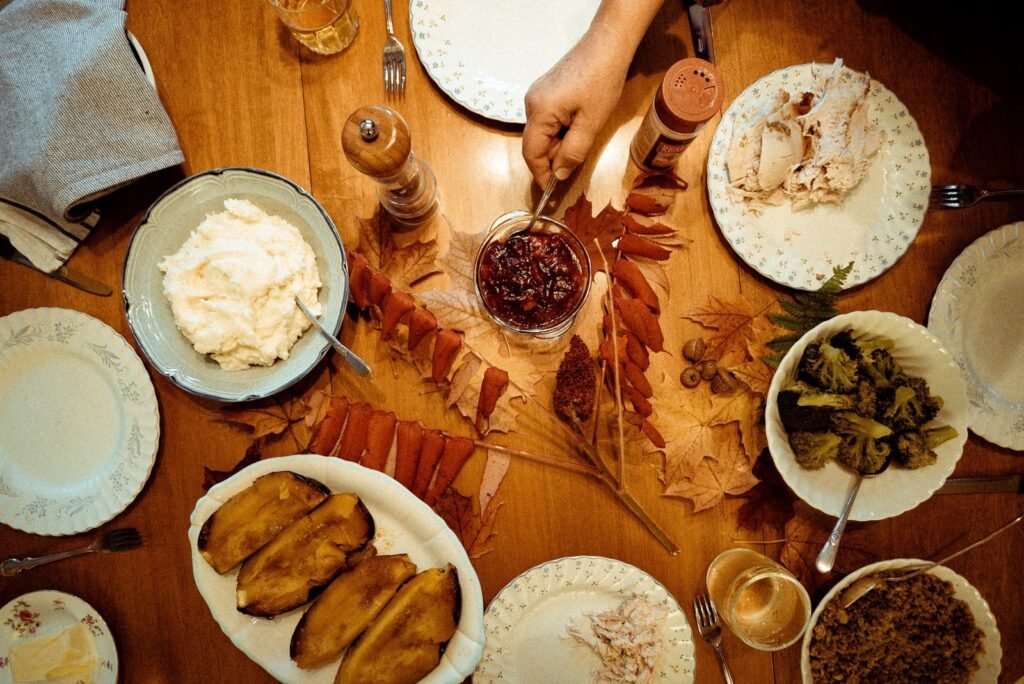
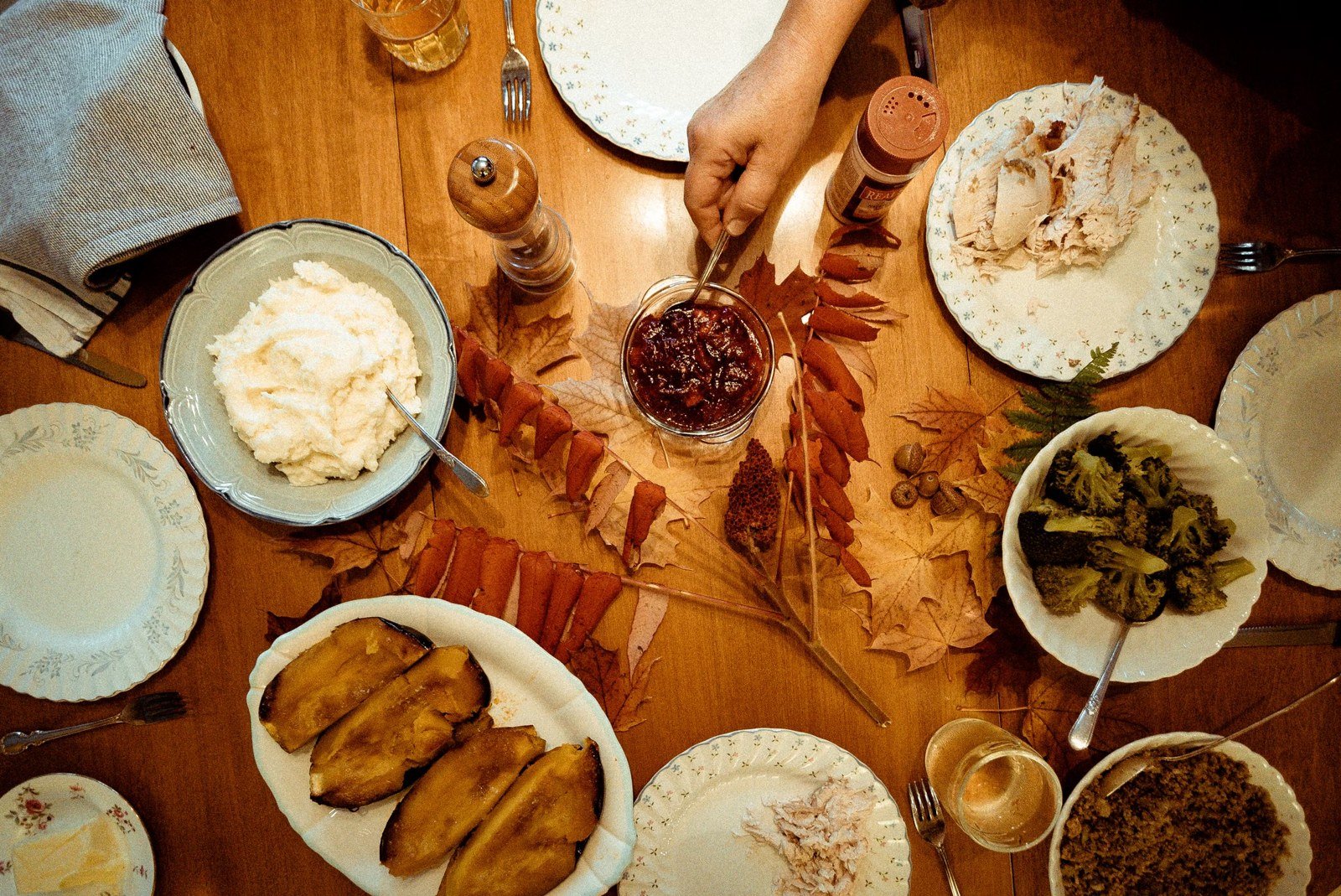
If your family has strong opinions about the stuffing, I suggest leaving it alone. There is plenty of room elsewhere on the Thanksgiving table for a French accent: potatoes baked slowly in cream, a bowl of something to nibble before dinner, a few words of French passed around with the bread.
My favourite starting point is to choose one dish, one ritual and one phrase. That is enough to bring something new to a celebration that already means something to you.
And if you are celebrating far from home, this is also an invitation to let the place where you live have a say in the meal. A tradition can hold a memory and make room for a new ingredient.
Start with an apéro
The French apéro (ah-pay-roh) is the moment for a drink and something small to eat before the meal. It gives arriving guests somewhere to land while the cooking continues.
For Thanksgiving, keep it easy: olives, walnuts, a few slices of bread and something to spread on them. A small glass of wine, sparkling apple juice or sparkling water with citrus will all do nicely. With a whole dinner ahead, a couple of bowls are enough.
Put them somewhere people can gather. Let the person who has just arrived finish telling their story before everyone moves to the table.
When you raise your glasses, try Santé ! (sahn-tay), meaning “Cheers!” The literal meaning is “health.” One word, used at exactly the right moment.
For more ideas for this opening pause, Taste France’s Thanksgiving suggestions include an apéro with simple salty snacks.
Give familiar dishes a French accent
Choose the change that makes you hungry. A single new side dish is a perfectly respectable amount of culinary adventure when the oven is already full.
Potatoes baked with cream and garlic
A gratin dauphinois brings thinly sliced potatoes, milk, cream and garlic to the table. The traditional version gets its richness without cheese. It is a lovely companion to roast turkey, especially if you enjoy the browned edges as much as the soft potatoes underneath.
Audrey at Pardon Your French has a gratin dauphinois recipe with full instructions and an optional cheese variation.
Chestnuts and mushrooms alongside the turkey
For a smaller change, bring cooked, peeled chestnuts, sautéed mushrooms and thyme into your usual bread stuffing, or serve them as a separate side. They give familiar roast-dinner ingredients an earthy, autumnal direction.
Keep the turkey recipe your household trusts. The French touch can sit beside it.
A small bowl of squash soup
If you like the idea of a first course, serve squash soup in small bowls. Its colour alone belongs on a November table. Pardon Your French’s butternut squash soup uses onion, garlic, vegetable stock and nutmeg, with cream or crème fraîche as an optional finish.
A small serving leaves room for everything that follows. It also gives everyone a reason to sit down together before the serving dishes begin their journey around the table.
A French apple cake beside the pie
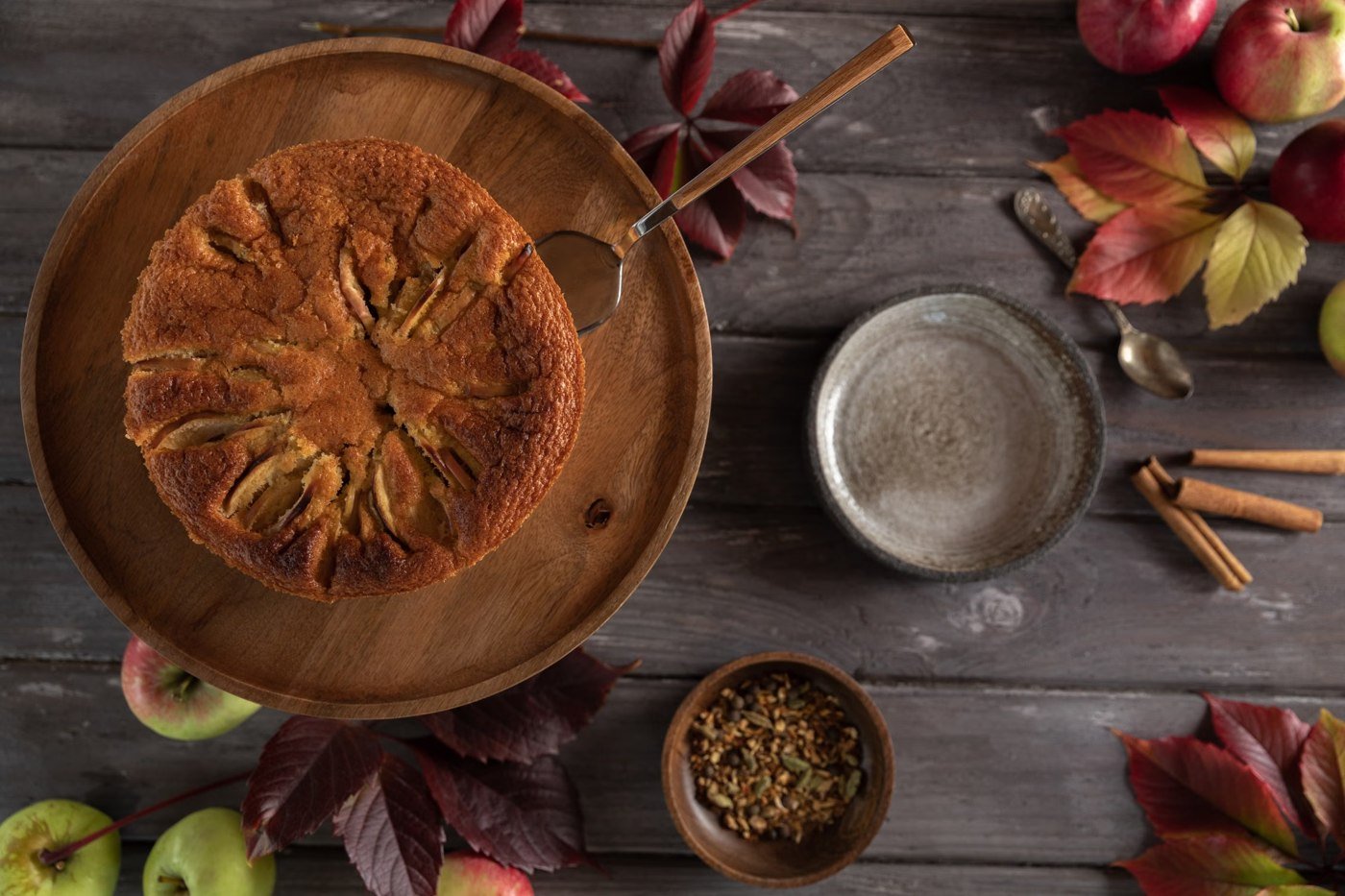
For dessert, try a French apple cake: buttery, full of apple pieces and easy to cut into modest slices. Audrey’s version includes rum, with an apple-juice alternative in her recipe notes.
Or keep your pumpkin pie and serve it with a spoonful of crème fraîche. Its tang is a pleasant companion to a sweet filling. The pie can keep its place of honour.
If you would like a broader menu to browse, Pardon Your French’s Thanksgiving collection brings together starters, sides, main dishes and desserts.
Make French part of the conversation
A shared meal gives French something useful to do. You can invite people to sit down, offer another helping or thank the person who cooked.
Choose two or three expressions and write them on a small card. Let anyone who wants to join in use them during the meal. The conversation can move between languages as comfortably as the food moves between guests.
The pronunciation cues below are approximations for English speakers, in the Feel Good French “à l’oreille” style.
Dinner is ready
À table !
À l’oreille: ah tahbl
Come to the table!
You taste something lovely
C’est délicieux !
À l’oreille: seh day-lee-syuh
It’s delicious!
You offer another helping to one person you know well
Tu en veux encore ?
À l’oreille: tew ahn vuh ahn-kor
Would you like some more?
You accept a small helping
Oui, un peu, merci.
À l’oreille: wee, uhn puh, mehr-see
Yes, a little, thank you.
You politely decline
Non merci, j’ai bien mangé.
À l’oreille: non mehr-see, zhay byan mahn-zhay
No thank you, I’ve eaten well.
You thank the cook
Merci pour ce repas.
À l’oreille: mehr-see poor suh ruh-pah
Thank you for this meal.
In the cues, uhn is only an approximation of the nasal sound in un; let the air resonate through your nose rather than pronouncing a separate final “n.”
Here is a short exchange to try when someone passes a dish:
Tu en veux encore ? (tew ahn vuh ahn-kor): Would you like some more?
Oui, un peu, merci. (wee, uhn puh, mehr-see): Yes, a little, thank you.
Use tu with one person you know well. With someone you address more formally, or with several people, ask Vous en voulez encore ? (voo zahn voo-lay ahn-kor). The “z” links vous to the next word.
Try the exchange once with the card, then turn it over and use it again with a different dish. Choosing whether you actually want more is part of the practice. Both accepting and declining are useful French.
For more language you can use while sharing food, explore my French picnic phrases.
Leave time between courses
One French festive-meal tradition worth borrowing is giving the meal distinct stages. UNESCO’s description of the gastronomic meal of the French puts shared enjoyment, ingredients and the sequence of courses at its centre.
For your Thanksgiving, that might mean taking a pause after the turkey. Clear a little space. Bring out a green salad, or a small piece of cheese with bread if people still have an appetite. Let dessert arrive when someone actually wants dessert.
A table can be welcoming with the plates you already own. Add a jug of water, some cloth napkins if you have them, and enough clear space to pass the dishes. Leave the scented candle in another room; the food has quite a lot to say for itself.
You can also make gratitude very specific. Thank someone for coming, for making a dish or for helping with a difficult week. Merci d’être là. (mehr-see detr lah) means “Thank you for being here.” It is a warm, everyday sentence you can say to one person or to the whole table.
For some French listening around this theme, try my L’art de la gratitude episode. The link starts at the vocabulary section, around six minutes in. Listen for an expression you recognise, then choose one you would like to use yourself.
Let your traditions adapt to the place
When you live in another country, the shopping list often changes before the ritual does. The squash at the market is a different variety. The cheese comes from a local producer. A friend brings a dish you have never served at Thanksgiving before.
Those changes can become part of the celebration. If you are in France, you might use chestnuts, local apples or a cheese from your region. Elsewhere, choose what is good where you are and borrow a French preparation or a phrase to go with it.
Canada offers a passing reminder that Thanksgiving already has different calendars: its holiday, known in French as l’Action de grâce, falls on the second Monday in October. The Canadian Language Portal explains the dates and French spellings.
For me, the interesting part is what happens when a familiar ritual meets a new place. You keep the dish someone misses. You add what grows nearby. You invite the neighbour who is curious about the occasion and explain why this particular pie matters to you.
Over time, that combination can become the tradition: something remembered, something discovered, and people who now belong around the same table.
Which dish would you keep exactly as it is, and where would you welcome a French twist?
If you are arranging the celebration in France, my Thanksgiving in France guide covers invitations, shopping and practical French for hosting.
Your questions
Is Thanksgiving celebrated in France?
Thanksgiving is not a French national holiday. People who bring the tradition with them can celebrate it in France and invite French friends to join in. A French-inspired Thanksgiving is a personal blend of customs. The French Library’s article offers one such menu.
What is the easiest French addition to Thanksgiving?
Start with an apéro: a drink, two small bowls of snacks and time to welcome people before dinner. For the food, choose one manageable change, such as crème fraîche with pumpkin pie, or a gratin if you have oven space.
Can beginners practise French during the meal?
Yes. Choose one phrase for a real moment, such as thanking the cook, and keep its meaning and pronunciation cue nearby. If another guest wants to practise too, take turns offering food and replying. People can join in for a sentence and continue their conversation in English.