

French for culinary students moving to France.
Your next chapter starts in a French kitchen. Let’s help you feel part of it.
Preparing for culinary school, pastry training or an internship in France? Build the French to ask questions, join the team and enjoy life beyond the kitchen.
Book your French Clarity Call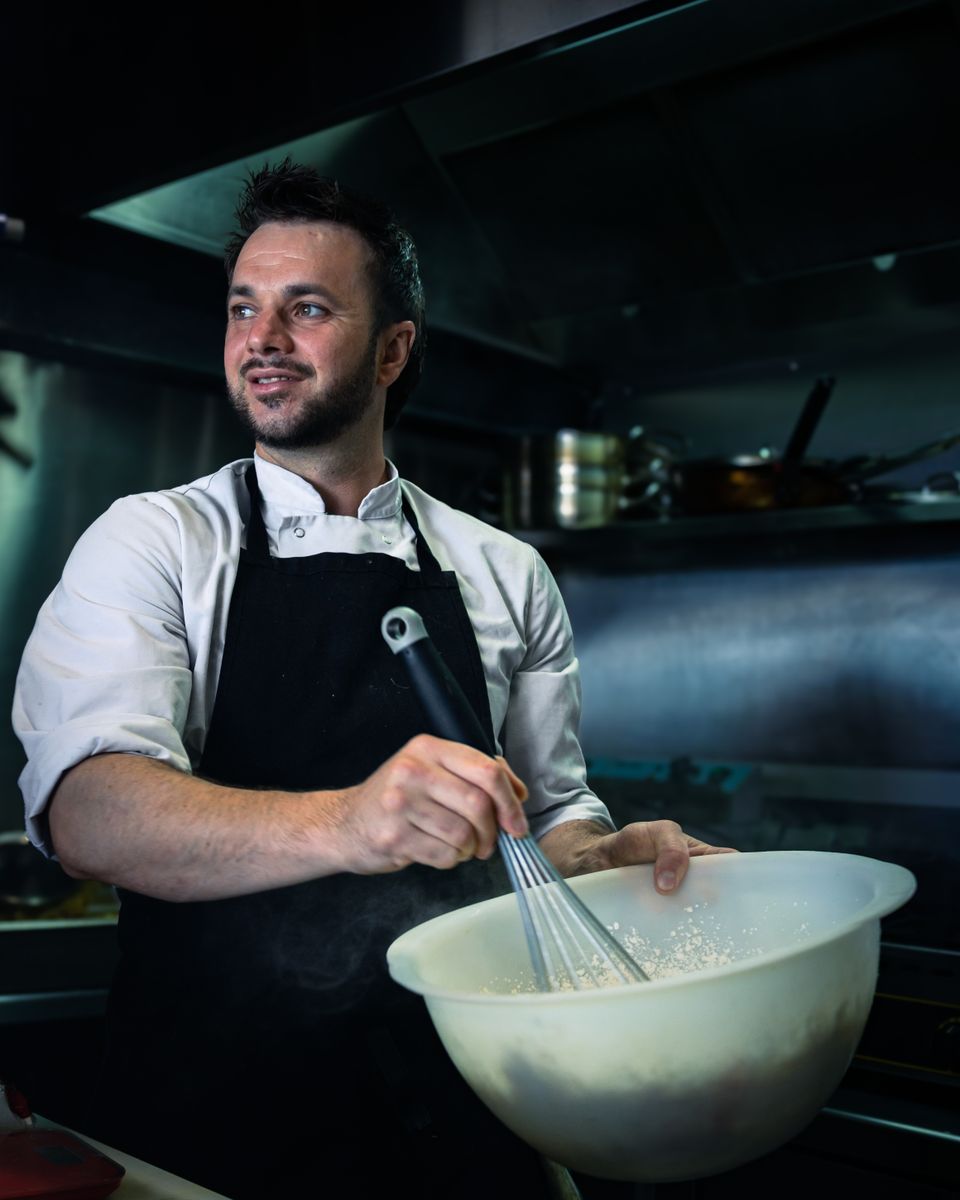
Find your place in the kitchen and in France.
You may already know what a mise en place is. Asking a colleague to repeat an instruction, understanding a quick question or chatting after class can feel quite different. That is where practical French preparation comes in.
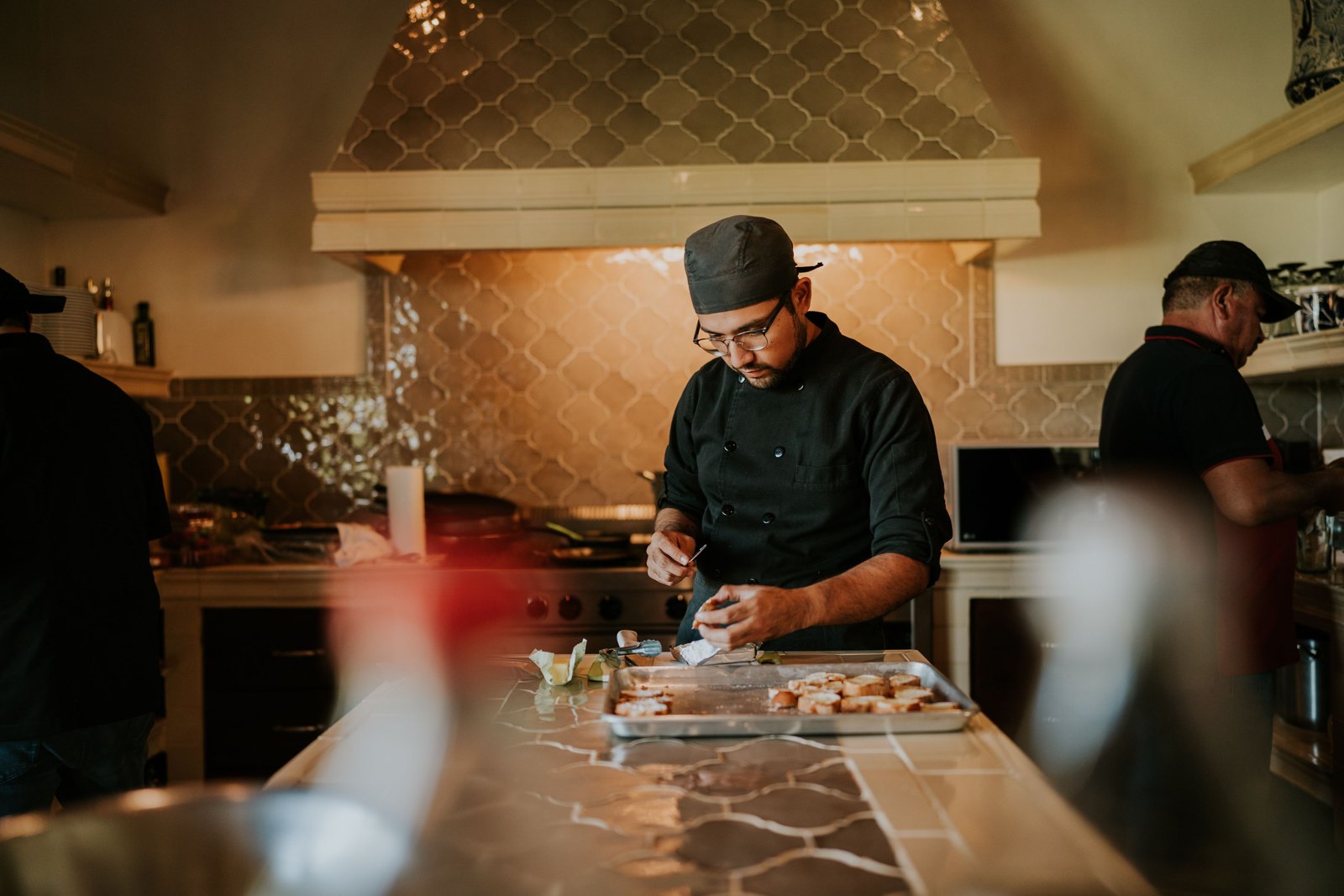
Ask the question. Understand the answer.
Practise instructions, quantities, timing and ways to check what you have heard. Introduce yourself to the team and explain when you need something repeated.
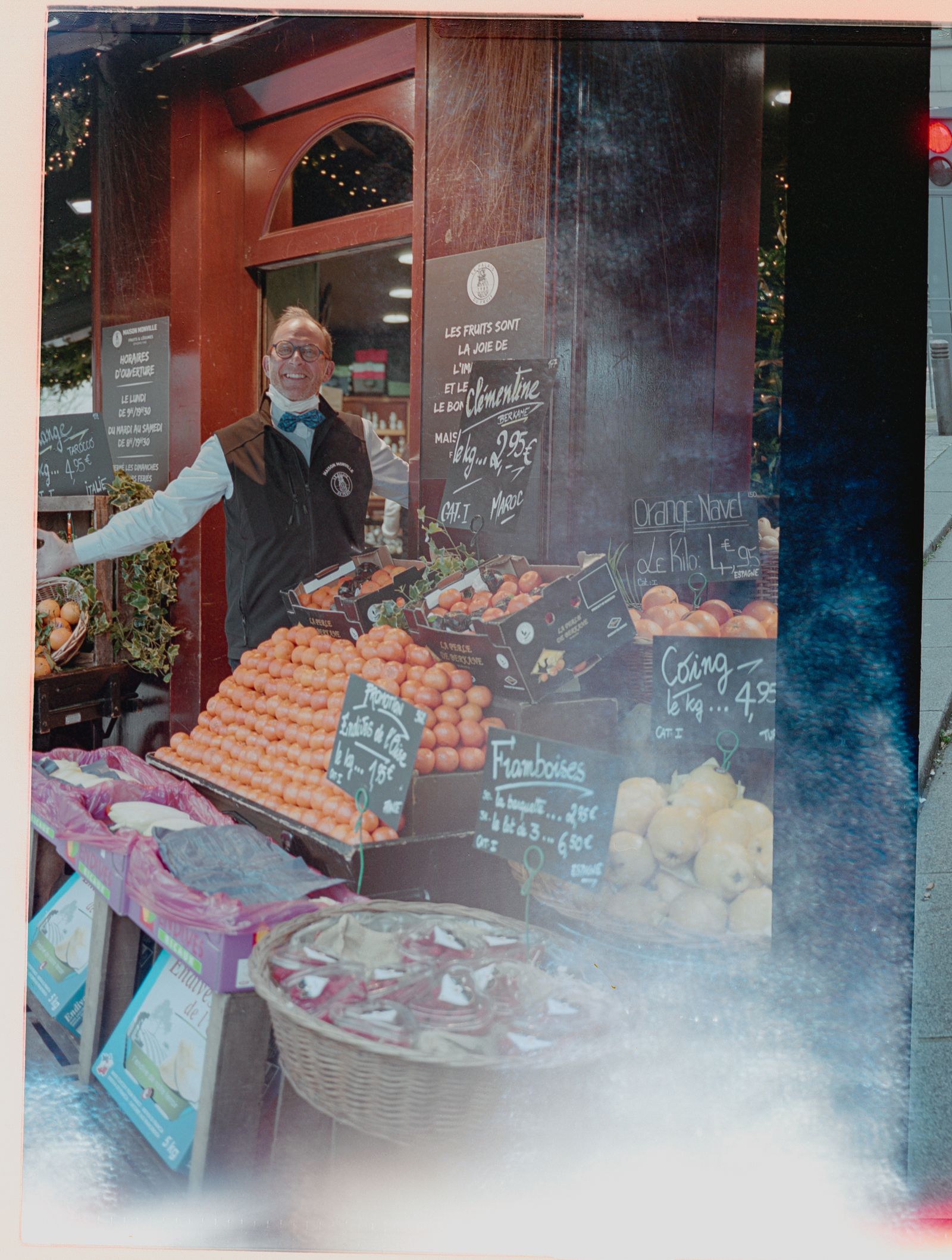
Feel at home beyond the classroom.
Shop at the market, ask about an ingredient, arrange an appointment and get to know people. Learn French for the life you are building around your studies.
Le Cordon Bleu, FERRANDI, École Ducasse… what French will you need?
An English-taught programme and a French-speaking internship can have different expectations. Start with your exact course, then prepare for the conversations around it.
Le Cordon Bleu Paris
Its Cuisine Diploma with Internship Pathway specifies an A2 French requirement by the end of the professional application stage. Check the requirements for the programme you are joining.
FERRANDI Paris
The international-programme FAQ explains its French support and notes that some internships require French. Extra language practice can support your preparation.
École Ducasse
The Paris Campus bachelor programmes in culinary and French pastry arts are listed in English and include internships. Check the language expectations for your course and placement separately.
Feel Good French provides independent French language lessons. We are not affiliated with these schools. Requirements vary by programme and can change.
Prepare for the moments that matter.
Follow the exchange.
Practise listening for quantities and timing, asking for clarification and confirming an instruction before you act.
Describe what you mean.
Talk about ingredients, textures, aromas and preparation. Build useful language for explaining a dish and asking about unfamiliar produce.
Join the conversation.
Introduce yourself, ask a classmate a question and make plans after class. Small everyday exchanges are part of settling in.
A starting point that fits you.
Begin where you are.
New to French, returning after years away or already able to chat? We look at what you can do and where you need support.
Set useful priorities.
Your school start date, internship or move helps us choose what to practise first. We agree realistic goals for the time you have.
Try it out, with support.
Work through short conversations with feedback on listening, wording and pronunciation. Build on your own questions as you progress.
Work with French-speaking clients or partners?
For food producers, sales and export teams, distributors and other food professionals, the language priorities are different. You may work with France from abroad or use French across several markets.
Products & tastings.
Describe origin, flavour, texture, uses and formats across your food or drink range.
Clients & partners.
Ask about needs, discuss availability and keep a meeting or phone conversation moving.
Events & follow-up.
Practise an introduction at a food event, arrange a meeting and write clear professional messages.
Tell us your role and communication goals. We will discuss a professional focus suited to your sector.
Discuss French for your work →

Your questions are welcome. Your French can start here.
I’m Déborah, founder of Feel Good French. I teach French to international adults and professionals. I know that having the vocabulary is only the beginning: you also need space to practise, ask questions and get comfortable using it.
With our teaching team, we help you prepare for the conversations that matter to you, before a move to France or alongside your studies and work.
Get to know Déborah and Feel Good French →French for culinary students & chefs: frequently asked questions
Who are these French lessons for?
The main focus is English-speaking culinary and pastry students preparing to study or do an internship in France, as well as chefs joining a French-speaking kitchen. A separate professional focus is available for people in the wider food industry.
Do I need French to study at a culinary school in France?
It depends on the school and programme. Some programmes use English or English interpretation; internships may have separate French requirements. Check the official information for your exact programme. We can help you prepare the language for kitchen conversations and daily life alongside your studies.
Can I prepare for Le Cordon Bleu, FERRANDI Paris or École Ducasse?
Yes. Tell us your school, programme, start date and current French level. We can plan practical language preparation around your move, kitchen communication and everyday needs. Feel Good French is an independent language provider and is not affiliated with these schools.
Can I start as a complete beginner?
Yes. Start with introductions, numbers, quantities, useful questions and everyday exchanges. Your teacher will assess your starting point and help you choose realistic priorities for the time available.
Are these cooking classes or French language lessons?
These are French language lessons. Your culinary school teaches culinary techniques. We focus on understanding and using French: asking questions, following conversations, describing food and communicating with the people around you.
Can you help with French for a kitchen internship?
Yes. We can practise understanding instructions, checking quantities and timing, asking for clarification and introducing yourself to a team. Preparation is adapted to your level and role. Any formal language requirement comes from your school or host employer.
Will we also learn everyday French for living in France?
Yes. You can practise shopping, making appointments, asking about accommodation, meeting people and handling everyday questions. Your move involves life outside the kitchen too.
Do you also teach French for food sales, export and commercial teams?
Yes. This is a different focus from culinary-school preparation. Lessons can address product descriptions, customer and supplier conversations, tastings, meetings, trade events and professional correspondence across the food industry, whether you work in France or abroad.
How do online lessons work and what do they cost?
We discuss your French level, goals, schedule and deadline before recommending a lesson format and price. Book a French Clarity Call for a personalised proposal. You can start before leaving for France and discuss continuing after arrival.
Will these lessons give me an official French certificate?
These lessons do not award an official French certificate or guarantee admission, an internship or a particular language level. If your school requires a test or certificate, tell us during the first call so we can discuss the preparation you need.
Let’s prepare for your next chapter.
Tell us where you are heading, your current French level and what feels most urgent. Your French Clarity Call is a chance to discuss a starting point and a format that fits.