
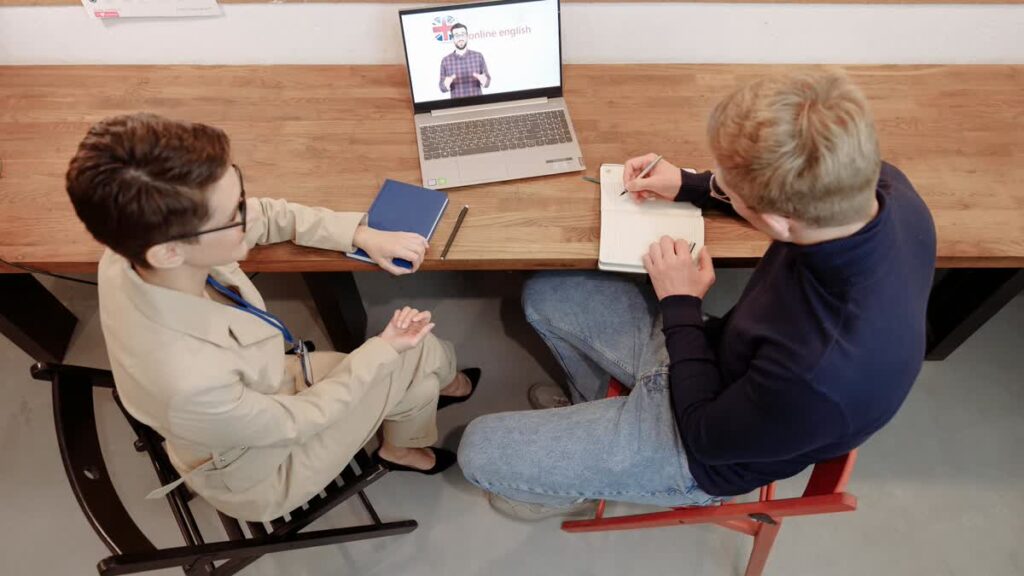
If traditional French classes have left you feeling slow, stuck, or quietly defeated, the problem may not be your ability. It may be the format. Many adult learners need something more personal than a classroom rhythm built for everyone at once.
French coaching works differently. It keeps the useful substance of language learning — vocabulary, grammar, pronunciation, listening, and repetition — but connects it to your confidence, your real life in France, and the way your brain actually learns.
- Why French Coaching Works When Classes Fall Short
- A tailored path for adult French learners
- Personal development, NLP, and learning French with confidence
- Learner autonomy: the quiet advantage of coaching
- Listening, soft skills, and real-life French
- A calmer brain learns French better
- Is French coaching right for you?
- French Coaching Questions for Adult Learners
- More French Learning Confidence Guides
- Build the Life You’ve Dreamed of in France.
Build the Life You’ve Dreamed of in France.
Join Survive & Thrive in France – my signature programme combining practical French, cultural confidence, and a welcoming community to help you truly feel at home in France.
Why French Coaching Works When Classes Fall Short
A traditional class often has to move at the speed of the group. That can be reassuring, but it can also hide the exact thing that is blocking you: a pronunciation fear, a listening gap, a grammar pattern that never became automatic, or a belief that you are simply “bad at languages”.
Coaching closes that gap between potential and performance. The coach can notice what you avoid, what you repeat, what makes you freeze, and what gives you energy. That is where progress becomes personal instead of theoretical.
The purpose of coaching is to close the gap between potential and performance. — Keith Webb
A tailored path for adult French learners
Adult learners bring a full life into the room: work, family, past school experiences, perfectionism, and sometimes a deep fear of sounding foolish. A coaching approach respects that. It uses your strengths instead of pretending everyone learns in the same straight line.
- You can practise the situations you actually face in France: appointments, neighbours, cafés, phone calls, or professional exchanges.
- You can slow down around the exact grammar or pronunciation points that keep tripping you up.
- You can build confidence through manageable wins, not through constant comparison with faster classmates.
- You can connect French to your interests, goals, and daily routines, so the language has somewhere real to live.
Personal development, NLP, and learning French with confidence
The original article connected language coaching with personal development and NLP. The useful idea is simple: learning French is not only a cognitive task. It also involves attention, confidence, self-talk, memory, and the nervous system.
When coaching is done well, it does not turn French lessons into therapy. It simply recognises that a learner who feels safe, seen, and capable will usually practise more, listen better, and recover faster after mistakes.
Learner autonomy: the quiet advantage of coaching
The best coach is not there to make you dependent. The goal is the opposite: to help you understand how you learn, what to practise between sessions, and how to take ownership of your progress.
- You learn to recognise your own recurring mistakes without shame.
- You build a realistic practice rhythm instead of waiting for motivation to appear.
- You start choosing useful French input, from conversations to podcasts and short videos.
- You become less afraid of imperfect but real communication.
Listening, soft skills, and real-life French
French coaching can also improve the soft skills that make language usable: active listening, asking for clarification, tolerating ambiguity, and staying present when you do not understand every word.
That matters for expats and future expats because real life in France rarely sounds like an exercise book. Coaching can prepare you for the messy middle: partial understanding, polite repair phrases, and the confidence to keep the exchange going.
Communication is a skill that you can learn. — Brian Tracy
A calmer brain learns French better
Stress narrows attention. A calmer brain can hear more, remember more, and take more risks. That is why a coaching session should not feel like a performance test every time you speak.
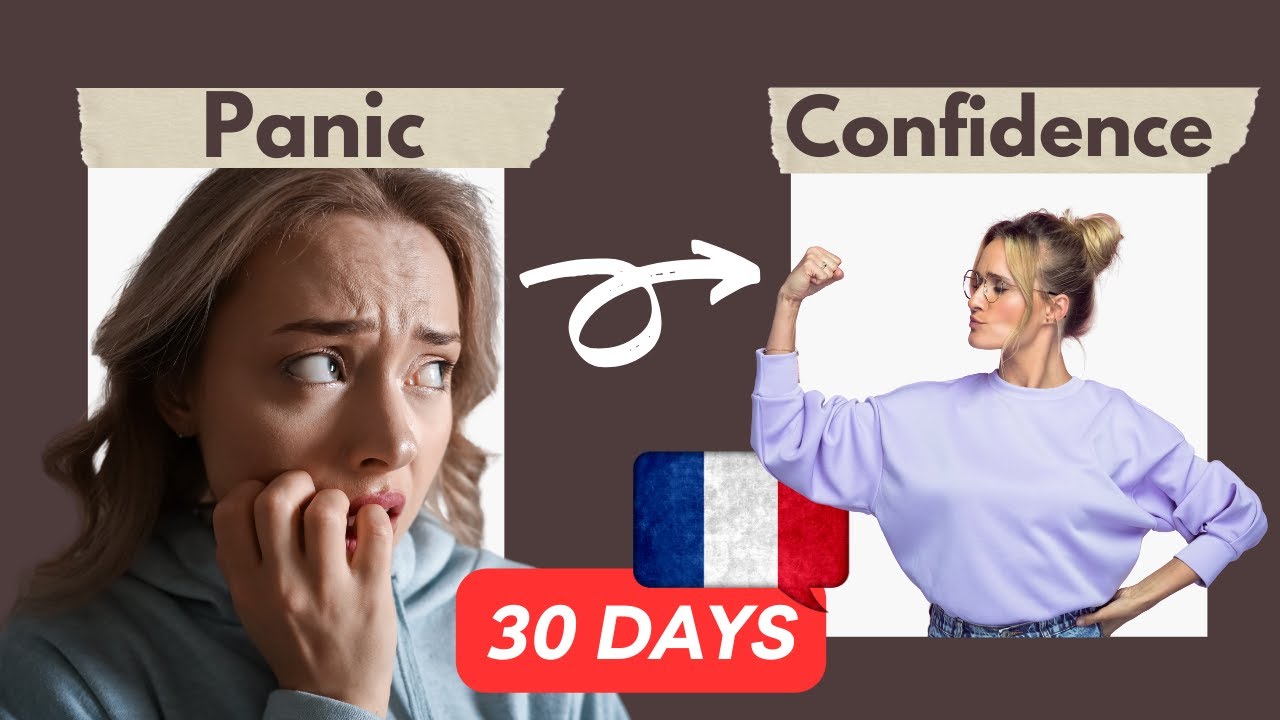
The original post recommended the Feel Good French meditation playlist as a confidence and calm-brain support. It still fits the article, so the YouTube playlist is preserved below as a relevant learning-support resource.
 Subscribe

Is French coaching right for you?
French coaching is especially useful if you have already tried classes, apps, or textbooks and still feel blocked when real people speak to you. It is also useful if your goals are specific: moving to France, feeling less isolated, passing through daily admin, or speaking with more ease in local life.
A class can teach you French. A coach can help you build the conditions that make French usable: attention, confidence, autonomy, and a practical bridge between what you study and what you need to say.
French Coaching Questions for Adult Learners
French starts to feel possible when the learning path finally fits the person walking it.
More French Learning Confidence Guides
Learning French in the Age of AI

Is 50 Too Late to Learn French? The Honest Answer

How long does it realistically take to learn French?

French Picnic Phrases for Beginners

What Is the 80 20 Rule for Learning French?
