
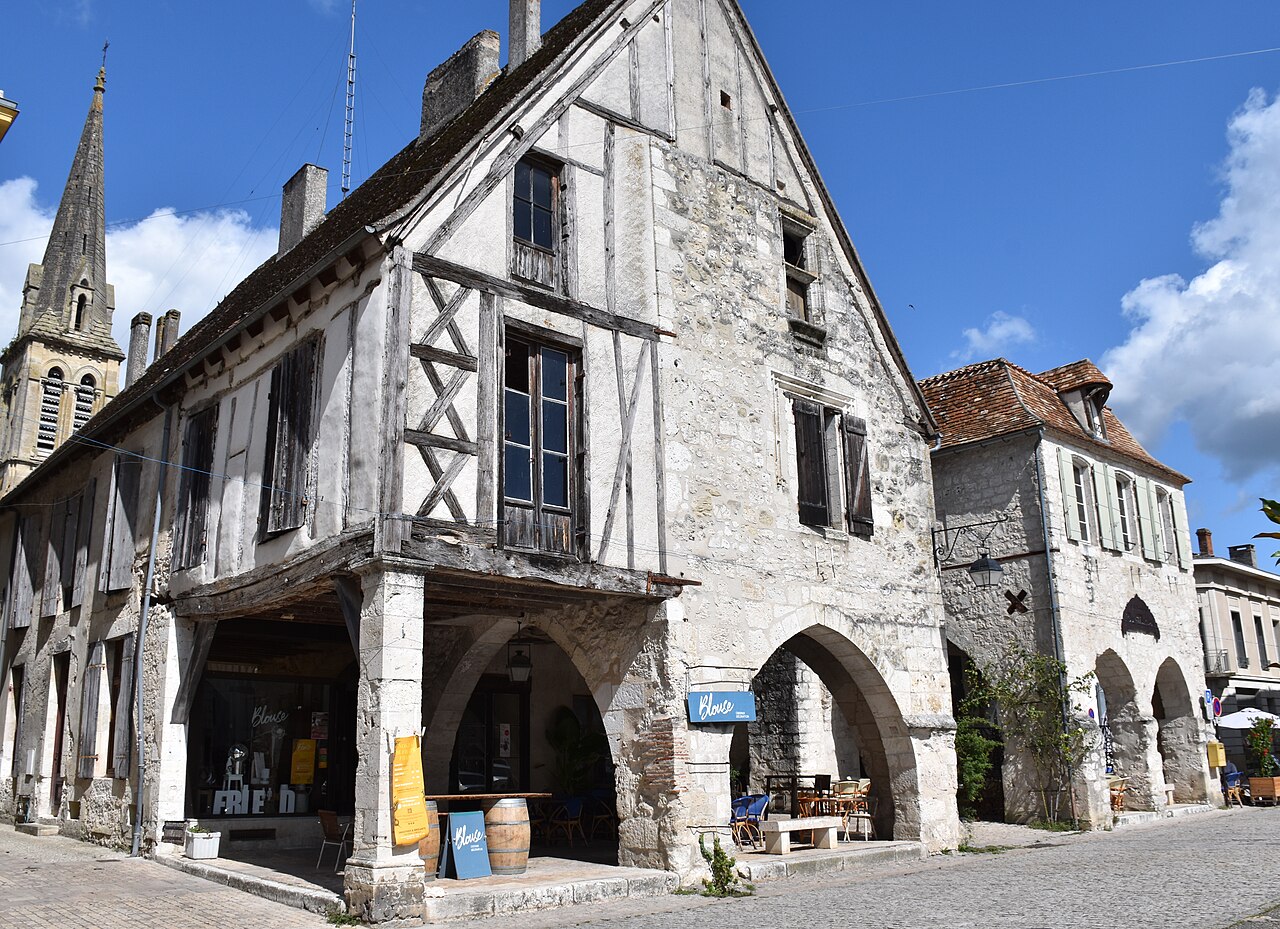

When I asked Mark Friston about retirement in France, he described deadheading the hanging baskets while waiting for his B&B guests to come down for breakfast. Previously, his mornings had involved a London commute or a laptop full of conference calls.
There is still work. Quite a lot, in fact. But he and his husband, Tom, have changed what that work makes room for.
They moved from Suffolk to Eymet, in the Dordogne, in July 2021. In our conversation, Mark talks about choosing a town before a house, turning a B&B into part of their retirement, making friends through running, and the first winter that left them wondering whether they had made a mistake.
If you are thinking about retiring to Dordogne, his story gives you something useful to imagine: an ordinary week, including the laundry, the French conversations and the days when the sunshine disappears.
Watch my full conversation with Mark on YouTube.
Why they chose Eymet before choosing a house
Mark and Tom already knew they liked southwest France. They had holidayed in the region, and before moving they spent five or six weeks travelling around France in a motorhome to explore possibilities.
Their criteria were quite specific. They wanted somewhere with shops, cafés and people around them. A city did not appeal, but neither did an isolated house where every errand meant getting into the car.
Once in France, they rented locally for three months and worked through a shortlist of towns and villages. Their method was wonderfully ordinary: walk around, look in estate agents’ windows, stop for coffee, watch what was happening and make notes afterwards.
Eymet was not even on their original list. They kept coming in to use the shops and restaurants, and gradually realised that they liked being there.
That is a helpful distinction when you are researching a move. A house can look perfect online. Discovering whether you want to spend a Tuesday in the surrounding town takes a different kind of looking.

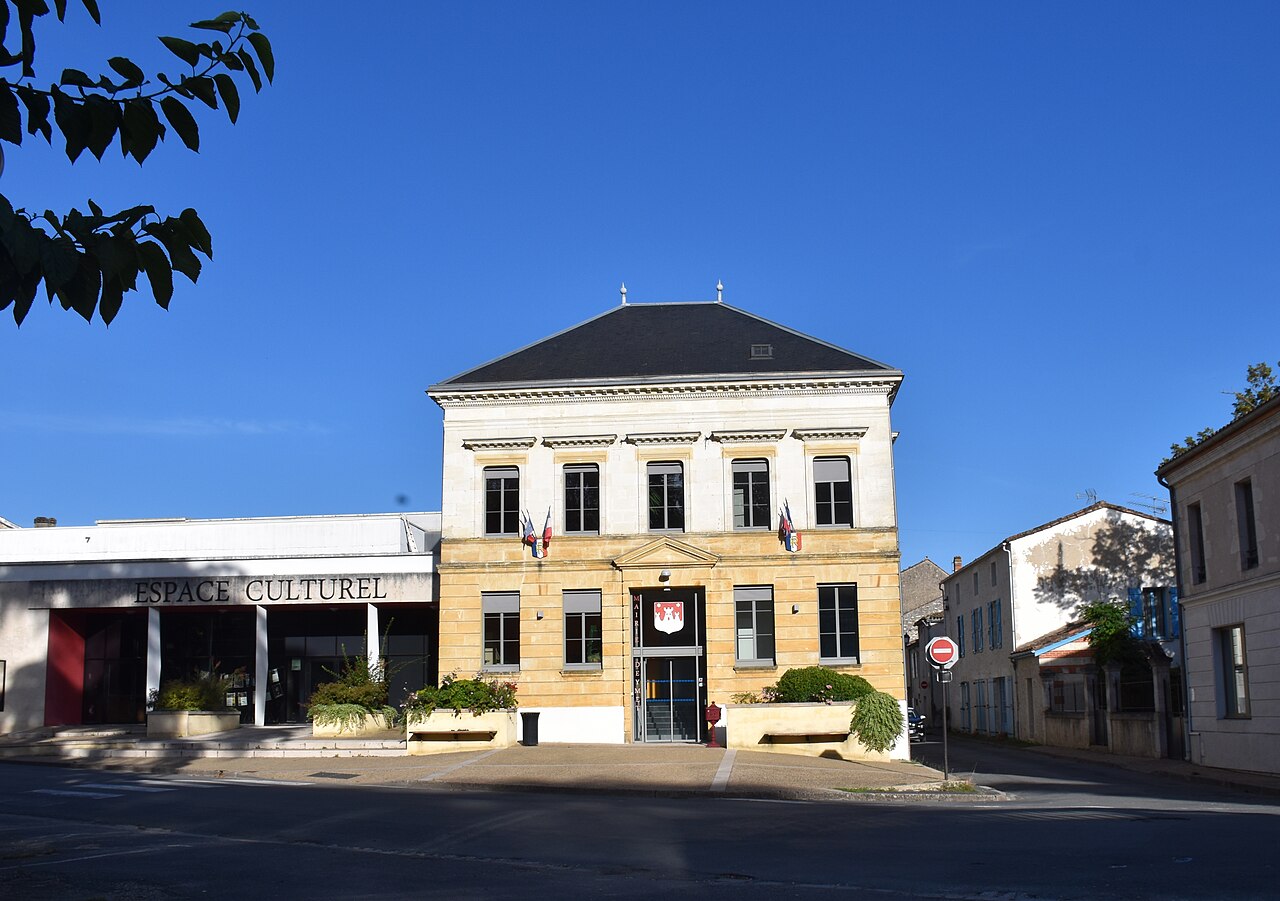
Eymet at a glance
- Where: southern Dordogne, in southwest France, around 25 km south of Bergerac. The local tourist office’s introduction to Eymet gives a useful sense of its Franco-British history.
- Size: 2,569 residents in the commune in the 2023 census, according to INSEE’s Eymet profile. That is the commune’s population, not a wider catchment area.
- Market: Thursday mornings on Place de la Bastide and nearby streets. The official market listing also places Bergerac airport and railway station around 25 km away.
Running a B&B in France: a different kind of retirement
The B&B was not a fully formed plan they brought from England. Visiting a house that had previously been a bed and breakfast made them think again about an idea they had discussed before. It could provide income, give their days a purpose and help them meet people.
They eventually bought a different house, with the garden they wanted, and created Le Portanel. They moved into the property in December 2021 and aimed to welcome their first guests in May 2022. That winter became a demanding stretch of decorating and preparation.
Mark is clear about the work involved. They do the cleaning, laundry, ironing, breakfasts and guest welcomes themselves. Summer is their busiest period. The laundry has not retired.
But he also describes the pleasure of working for themselves, together. Once breakfast and the essential jobs are finished, there may be time to walk into town and sit in the square.
There is an important financial detail in his story: Mark waited until 55 to start drawing his company pension. He describes the B&B income as a way to top that up. They earn less than they did in their previous full-time jobs, while valuing the life they have built.
So the useful question is not simply whether running a B&B looks appealing. It is whether you would enjoy the actual work, and whether it fits the retirement you want.
The first winter: “What have we done?”
The summer picture is easy to understand: the market, a terrace, friends, a swim. I wanted to know what happened when that picture changed.
Mark’s first winter brought cold, a house they were still preparing, Covid and fewer opportunities to see people. During a spell of freezing fog, their conversations were largely confined to shopping for supplies through masks. At one point, they found themselves asking, “what have we done?”
Then the weather changed. They saw friends, went running and felt better. Later winters were also different because the heating worked better and they knew more about what to expect.
I find that part of the story particularly useful. The same town can feel very different depending on the season, the condition of your home and whether you have someone to meet for coffee.
One couple who stayed with them while house-hunting deliberately came in February. They wanted to see the quieter version of the place before committing. If you only know a town in its holiday season, that is a sensible extra piece of research.
Making friends in Eymet started with running
Before arriving, Mark found a local running group online. They met a couple of times a week, followed by coffee and cake. Within a week of moving, he had met people with whom he already had something in common.
Some became close friends. The group included English, Dutch and French people, and it gave him an immediate reason to turn up again.
He also joined a local association offering activities and language classes. He continued learning French and volunteered to help beginner learners. Later, connections through music and local events brought more people into their lives.
What interests me here is how practical belonging can be. A shared activity gives you something to talk about before you know everyone’s story. You do not have to arrive with a new personality, or wait until your French is excellent, to begin participating.
Learning French together, without one person doing all the talking
Mark had started learning French before the move. His routine mixed vocabulary practice, podcasts, radio and opportunities to speak. He describes listening to Franceinfo while doing other things: hearing a news story again helped him follow more of it.
By the time they arrived, he had had more time to study than Tom. That difference created a familiar situation for couples abroad: the more confident speaker becomes the person who does the talking.
Tom could understand more than he felt ready to say. Mark recognised that confidence and personality were part of the difference too.
In our conversation, I also raised the importance of keeping some individuality. After years of separate busy jobs, they were suddenly living and working in the same house. Learning and social activities could give each of them some space of their own.
This is worth discussing before a move: who will speak to the estate agent, make an appointment or ask a neighbour a question? Taking turns on manageable tasks can help both people remain involved.
If that is a concern for you, my guide to French conversation practice for real situations in France looks at the everyday exchanges worth rehearsing.
What to consider before retiring to Dordogne
Mark’s advice becomes more specific when he looks back. He would still explore places in person before buying. He would be more cautious about getting rid of possessions before knowing what the new home needed. And a large garden, however lovely, comes with mowing and maintenance.
For your own research, his story suggests a few questions:
- Can I enjoy daily life here without driving everywhere? Check the actual services and transport around the address you are considering.
- What will I do outside the busy season? Look for activities you would genuinely enjoy, not just an attractive summer calendar.
- How much work do I want in retirement? A guest business, a renovation and a large garden each ask something of your week.
- How will I keep learning French? Include listening, speaking and the less glamorous vocabulary that appears when the heating or car needs repairing.
- Where could I become a regular? A running group, class or association can give you repeated encounters that a sightseeing itinerary cannot.
In the series, I am interested in the life beneath the moving boxes: how people adapt, find their place and discover what changes in them along the way. Mark’s story has plenty of planning in it. It also has room for the town that was not on the list, the friends he had not met yet and the difficult winter that did not become the whole story.
Make French part of the plan
A place can begin to feel more like home when you can take part in its everyday conversations. Here are three ways to practise with me.
Survive & Thrive in France
Prepare for the conversations that come with a life in France. The December cohort combines the core programme with four live practice calls.
Explore the December courseOne-to-one French
Work on your own situations, questions and conversations with me.
Find out about lessonsFireside Living in French
Spend time practising French at Château de Borie during our winter immersion retreat.
À bientôt,
ah byan-TOH · See you soon.

French to take with you
A little recap of the words from this article. The pronunciation cues are approximate aids for English speakers, not French spelling or IPA.
- un camping-car
- uhn kahm-peeng-kar
- a motorhome / camper van
- prendre le temps
- PRAHN-druh luh TAHN
- to take the time
- le brouillard
- luh broo-yar
- fog
- Bonjour !
- bon-zhoor
- Hello!
- se débrouiller
- suh day-broo-YAY
- to manage / to get by
- Choisir, c’est renoncer.
- shwah-zeer, seh ruh-nohn-say
- Choosing means giving something up.
- À bientôt
- ah byan-TOH
- See you soon.