
You can learn a lot about your possible life in France from a hotel window.
You can learn much more from taking out the recycling on a Tuesday morning, finding the nearest pharmacy, waiting for the local bus, and discovering whether the market seller slows down when you try your French.
That is the real purpose of a scouting trip.
Not to prove that France is beautiful. You probably know that already. The question is quieter and more practical: could your future self live here, shop here, rest here, make appointments here, and feel at home here when the novelty wears off?
For future expats, retirees, and 50+ learners planning a France relocation, accommodation costs can make that question expensive. Hotels push you toward tourist streets. Short-term rentals can be useful, yet they still often make a town feel like a holiday version of itself.
HomeExchange can change the shape of the trip. Used well, it can lower your costs and place you inside a more normal rhythm of daily life in France.
If you want a quick visual overview before you plan your own stay, I’ve also recorded a short HomeExchange walkthrough on YouTube. If you’d like to try it, you can use my HomeExchange referral link: HomeExchange referral link.
You do not need to solve your whole move in one visit.
You need better signals.
- Start by separating holiday pleasure from relocation evidence
- How HomeExchange changes the cost of a France scouting trip
- France scouting trip budget: what to include before you book
- What to test during your stay — not just what to visit
- Useful French phrases for a scouting trip
- How to choose a HomeExchange location that reveals real daily life
- Mistakes that make scouting trips feel cheaper than they really are
- What to do after the trip: turn impressions into a relocation decision
- Frequently Asked Questions
- More From Feel Good French
- Build the Life You’ve Dreamed of in France.
Start by separating holiday pleasure from relocation evidence
A holiday asks, “Did I enjoy this?”
A scouting trip asks, “What would this place ask of me if I lived here?”
That difference matters because France can be very convincing when you are rested, eating well, and not dealing with paperwork. A town may feel perfect during a sunny long weekend. Yet relocation is not a long weekend. It includes prescription refills, winter evenings, bank appointments, noisy neighbors, quiet Sundays, missed trains, and the small courage of speaking French when you are tired.
Before you book anything, write down the life you are testing.
Are you imagining retirement in France without a car? A semi-rural life near a market town? A base close to healthcare access? A walkable neighborhood where you can practise French conversation confidence without needing to plan every outing?
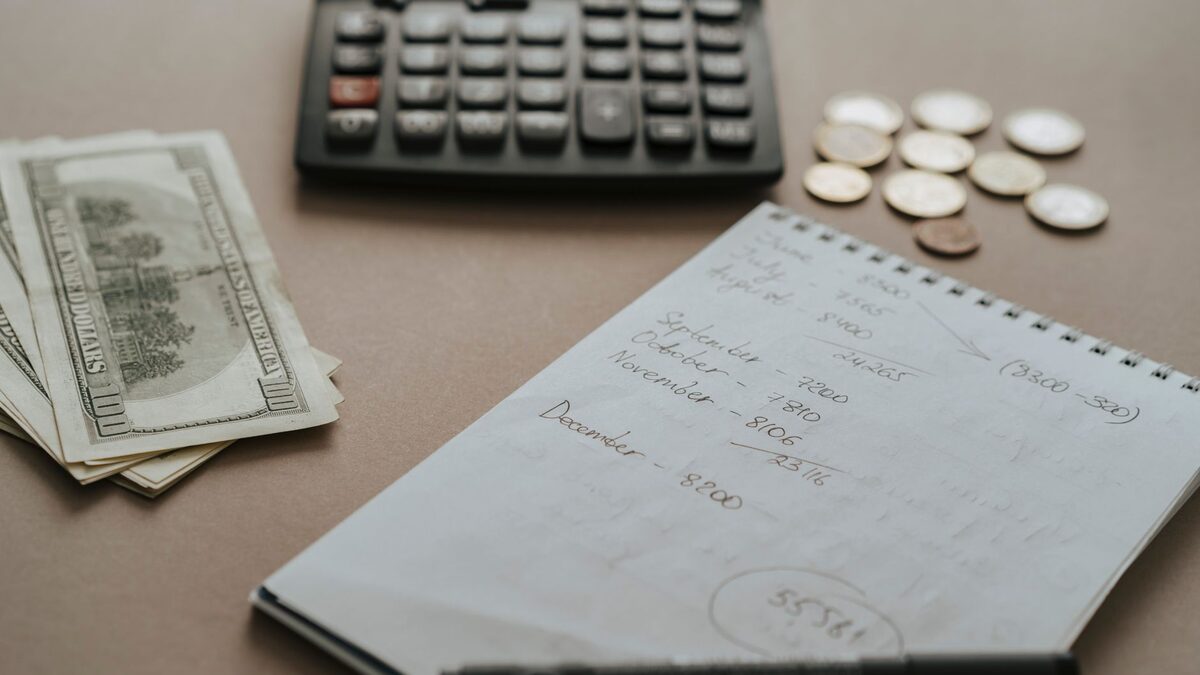
A good scouting trip budget is not just a spending limit. It is a decision tool.
Build the Life You’ve Dreamed of in France.
Join Survive & Thrive in France – my signature programme combining practical French, cultural confidence, and a welcoming community to help you truly feel at home in France.
How HomeExchange changes the cost of a France scouting trip
Accommodation is usually the heavy part of a France scouting trip budget. Once you remove or reduce that cost, you have more room to test the things that actually predict daily life: transport, groceries, local services, language moments, and how the area feels on ordinary days.
HomeExchange works differently from booking a hotel. You stay in someone’s home, either through a reciprocal exchange or by using points. That can make a two-week stay financially possible in a place where hotels would push you into a shorter, more tourist-shaped visit.
The value is not only the lower price.
It is the setting.
A real kitchen lets you shop at the local market and supermarket. A residential street shows you morning noise, parking, neighbors, bins, bus stops, and how far the boulangerie really feels after three days. A washing machine, if there is one, teaches you something about practical comfort. So does a staircase, a small shower, a limited bus timetable, or a house that is lovely but isolated after 7 p.m.
None of that is glamorous.
That is why it is useful.
France scouting trip budget: what to include before you book
The mistake many future expats make is counting only the visible travel costs.
Flights, trains, and accommodation are obvious. The quieter costs are the ones that reveal whether a place fits your future life.
| Budget line | What to test | Why it matters for relocation |
|---|---|---|
| HomeExchange fees or points | Total stay cost and flexibility | Shows whether a longer, slower trip is possible |
| Local transport | Buses, trams, regional trains, taxis | Tests life without tourist transfers or constant car use |
| Food shopping | Market, supermarket, bakery, pharmacy basics | Reveals real daily prices and your comfort with local routines |
| Healthcare access | Distance to pharmacy, clinic, hospital, specialists | Especially important for retirees and long-term planning |
| Communication buffer | SIM/eSIM, calls, printing, translation help | Bureaucracy often depends on boring practical logistics |
| “Normal life” money | Laundry, household items, cafés, postage | Catches costs that holidays hide |
| Return visit fund | Money reserved for a second look if needed | Prevents one emotional trip from carrying the whole decision |
Build the budget around the questions you need answered.
If healthcare access is non-negotiable, budget time and transport to visit the pharmacy, locate medical centers, and understand how far help feels in real life. If you hope to live car-light, pay for buses and regional trains instead of renting a car for every errand. If French conversation confidence is part of your move, budget for market visits, cafés, local classes, or small interactions where you can practise being understood.
The cheapest trip is not always the most useful one.
The useful trip is the one that prevents an expensive mistake later.
What to test during your stay — not just what to visit
Do visit the pretty square. Sit in the café. Walk by the river or through the old town.
Then do the less cinematic things.
Find the nearest pharmacy and ask a simple question. Buy vegetables at the local market. Take the bus at a normal commuting time. Walk home after dinner and notice whether the route feels comfortable. Try the supermarket on a Saturday. Listen to how quickly people speak when they are not serving tourists.
These small tests matter because daily life in France is made of repeated micro-moments.
The baker recognizes you. The pharmacist asks for clarification. The bus driver answers quickly. The neighbor says bonjour in the stairwell. Each moment lasts seconds, yet together they tell you whether the place invites you into a rhythm you can actually live.
You do not need perfect French for this.
You need enough willingness to enter the ordinary scene.
Useful French phrases for a scouting trip
A scouting trip is also a gentle language test. Not an exam. More like a rehearsal for daily life.
Use a few phrases repeatedly and notice what happens: Do people understand you? Do they slow down? Do you freeze? Do you recover?
Nous envisageons de nous installer dans la région.
noo zon-vee-za-john duh noo zan-sta-lay don lah ray-zhyon
We are thinking of settling in the region.
Estate agents, neighbors, local conversations
Est-ce qu’il y a un marché près d’ici ?
ess keel yah un mar-shay pray dee-see
Is there a market near here?
Testing food routines and local rhythm
Je voudrais vérifier les transports en commun.
zhuh voo-dray vay-ree-fee-ay lay trans-por zon ko-mun
I’d like to check the public transport.
Tourist office, town hall, host conversation
Est-ce qu’il y a une pharmacie accessible à pied ?
ess keel yah oon far-ma-see ak-sess-eebl ah pyay
Is there a pharmacy accessible on foot?
Healthcare access and walkability
Do not turn the trip into a performance.
Choose two or three phrases that match your real concerns. Use them until they feel less dramatic. That is how French begins to attach itself to your future life, not just to a lesson page.
How to choose a HomeExchange location that reveals real daily life
The most photogenic location is not always the best scouting base.
For a relocation test, choose a HomeExchange that puts you near the life you are considering. If you want a walkable town, do not stay in a countryside house that requires a car for bread. If you imagine village life, do not stay only in the center of a large city. If medical access matters, map the pharmacy, clinic, hospital, and transport before you fall in love with the terrace.
Read the listing like a future resident, not a guest.
Look for practical clues: stairs, heating, parking, public transport, shops nearby, workspace, noise, internet, and whether the host describes the neighborhood or only the tourist attractions. Ask polite, specific questions before confirming.
For example:
“Is it realistic to manage daily errands without a car from your home?”
“Which market or supermarket do you use most often?”
“Is the area quiet in the evening?”
Good hosts often enjoy sharing the ordinary details. Those details are exactly what you need.
Mistakes that make scouting trips feel cheaper than they really are
A low accommodation cost can hide a weak test.
One common mistake is staying too far from the town you are evaluating. A beautiful free stay thirty minutes away may lower the budget, yet teach you very little about the neighborhood you might actually choose.
Another mistake is over-scheduling. If every day is filled with sightseeing, you will come home with lovely memories and thin evidence. Leave space for repeat routines. Visit the same bakery twice. Take the same bus more than once. Try a weekday morning and a Sunday afternoon.
A third mistake is treating discomfort as failure.
Some awkwardness is useful. If you feel clumsy asking for help, that does not mean you cannot live in France. It means you have found one of the real skills to practise before moving. The point is not to avoid every difficult moment. The point is to see which difficulties feel workable.
What to do after the trip: turn impressions into a relocation decision
Do the review while the trip is still fresh.
Not just the photos. The evidence.
Make three lists: what felt easier than expected, what felt harder than expected, and what needs a second test. Include practical notes: weekly food cost, transport gaps, healthcare distance, neighborhood noise, how often you needed French, and where you felt most yourself.
Then separate emotion from pattern.
One bad conversation does not condemn a town. One perfect lunch does not prove a future. Look for repeated signals.
Could you imagine learning the local routines? Could you practise French here without feeling constantly exposed? Could your future self build a life that is smaller than a holiday, but deeper than a visit?
That is the quiet success of a scouting trip.
You come home not with a final answer carved in stone, but with a clearer next step.
Maybe that means returning in winter. Maybe it means testing a different region. Maybe it means starting French lessons with more precise motivation: pharmacy questions, market confidence, transport conversations, neighborly small talk.
You do not need your first scouting trip to decide everything.
You need it to make the next decision more honest.
If France is becoming part of your future, your French can start becoming part of that future too — one ordinary exchange at a time.
Petit à petit, French starts to feel good.
Frequently Asked Questions
More From Feel Good French

Moving to France: Scout on a Budget with HomeExchange

French Apéro Invitations: How to Say Yes Without Overthinking It

Americans moving to France: what changes first

DELF A2 French for Residency Appointments
Life in Nice Beyond the Expat Bubble: A Real French Conversation with Les Niçois