
- French Bakery Phrases for Ordering Bread Without Freezing at the Counter
- Why French bakery phrases matter in everyday expat life
- Essential french bakery phrases for ordering bread
- How to sound polite without overcomplicating your order
- Common bakery situations expats actually face
- Small cultural details that make ordering easier
- A simple practice plan before your next bakery visit
- Frequently Asked Questions
- Build the Life You’ve Dreamed of in France.
French Bakery Phrases for Ordering Bread Without Freezing at the Counter
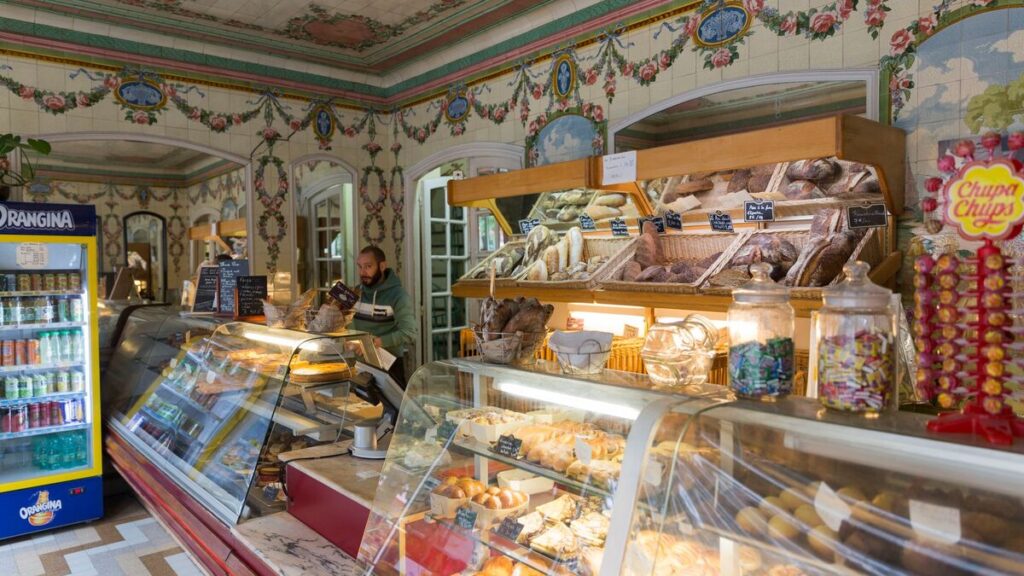
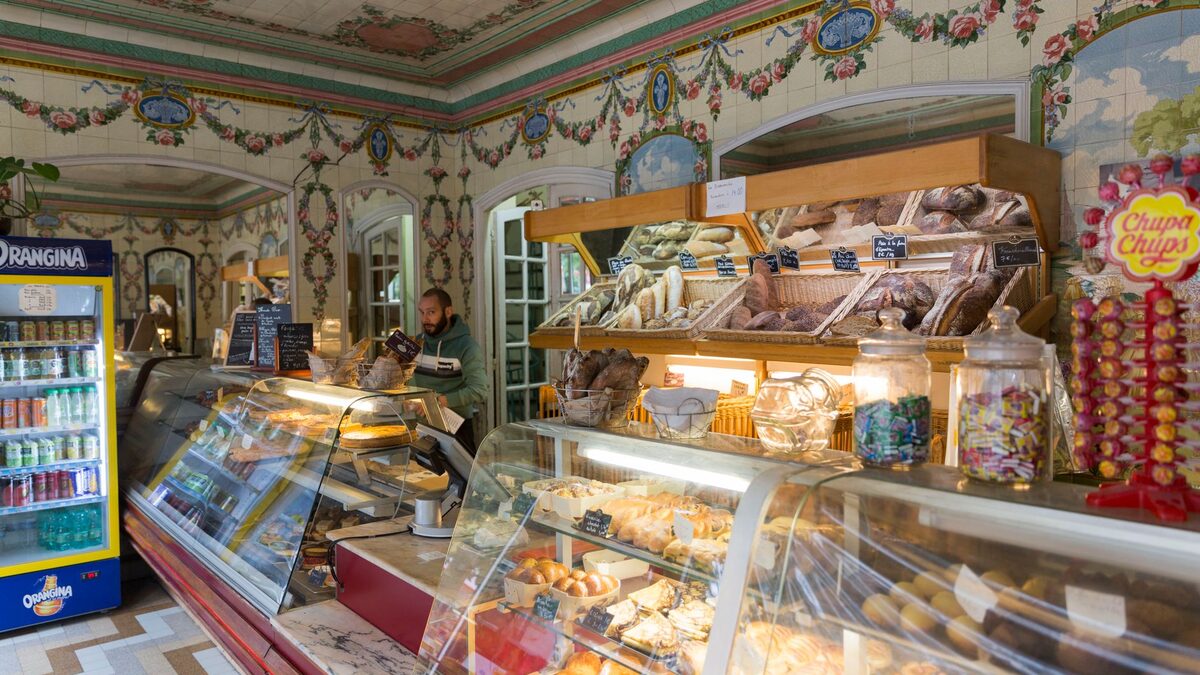
You step into the boulangerie for one simple thing: bread.
It should be easy. You know the word baguette. You know bonjour. You may even have practised a full sentence at home.
Then the baker looks up, the queue moves quickly, someone behind you already knows exactly what they want, and suddenly your French disappears.
This is one of those small expat moments that matters more than it seems. Ordering bread is not just vocabulary. It is a daily errand, a local shop ritual, and often one of the first places where you begin to feel recognised in France.
You do not need perfect French pronunciation to manage it. You need a small script: greeting, quantity, choice, politeness, payment, goodbye.
Once you understand that rhythm, the boulangerie feels much less mysterious.
Build the Life You’ve Dreamed of in France.
Join Survive & Thrive in France – my signature programme combining practical French, cultural confidence, and a welcoming community to help you truly feel at home in France.
Why French bakery phrases matter in everyday expat life
For many English-speaking expats in France, the bakery becomes part of the week very quickly.
You may stop in after a walk, before lunch, on the way to a neighbour’s house, or because the bread from yesterday has gone slightly too hard for breakfast. The errand is ordinary. The feeling is not always ordinary.
A bakery exchange is short, public, and fast. That combination can make even confident adults feel strangely exposed.
The useful thing is that boulangerie conversations are also repetitive. Not in a dull way. In a helpful way.
Most visits follow the same pattern:
- You greet the baker.
- You say what you want.
- The baker may ask a follow-up question.
- You confirm, pay, and say goodbye.
That repetition is good news for your brain. You are not inventing a new conversation every time. You are learning an ordering routine.
And over time, that routine can become a small confidence loop. The baker recognises you. You understand the follow-up question. You leave with your baguette and a quiet sense of, I handled that.
That is not a minor win.
It is how French starts becoming part of daily life.
Essential french bakery phrases for ordering bread
Here are the core phrases worth knowing before your next boulangerie visit.
Start with the greeting. In a local shop, bonjour is not optional decoration. It is the social doorway into the exchange.
Bonjour. Hello.
If you want one baguette, keep it simple:
Une baguette, s’il vous plaît. One baguette, please.
For two:
Deux baguettes, s’il vous plaît. Two baguettes, please.
If you want a traditional baguette, which often has more flavour and texture:
Une tradition, s’il vous plaît. One traditional baguette, please.
You may also hear or use:
Un pain complet, s’il vous plaît. A wholemeal loaf, please.
Un pain de campagne, s’il vous plaît. A country-style loaf, please.
Une demi-baguette, s’il vous plaît. Half a baguette, please.
If you are not ready for a long sentence, you can use the item plus s’il vous plaît. That is normal. You do not have to perform.
A very useful phrase when you are choosing is:
Je vais prendre… I’ll take…
For example:
Je vais prendre une baguette tradition, s’il vous plaît. I’ll take a traditional baguette, please.
This sounds natural because it fits the rhythm of French ordering. You are not translating word by word. You are using the shop script.
How to sound polite without overcomplicating your order
Politeness in a French bakery is usually simple, but it matters.
You do not need an elaborate introduction. You do not need to apologise for your accent. You do not need to explain that you are still learning French unless it is genuinely useful.
The basic pattern is enough:
Bonjour. Une baguette tradition, s’il vous plaît.
Then, when the baker gives it to you:
Merci. Thank you.
At the end:
Au revoir, bonne journée. Goodbye, have a good day.
That final line is small, but it helps. In local shops, the exchange is not only transactional. It is part of the daily social fabric.
If you want to sound a little warmer, you can say:
Merci beaucoup. Bonne journée. Thank you very much. Have a good day.
Or in the evening:
Bonne soirée. Have a good evening.
The goal is not to sound like a native speaker. The goal is to sound present, respectful, and calm.
Real conversation is not a pronunciation exam.
Common bakery situations expats actually face
The difficult part is often not the phrase you planned. It is the follow-up question.
Here are a few you may hear.
Avec ceci ? Anything else?
This can sound very fast. You may hear something like av-seu-see. It simply means the baker is asking whether you want another item.
You can answer:
Non, c’est tout, merci. No, that’s everything, thank you.
Or:
Oui, je vais prendre un croissant aussi. Yes, I’ll take a croissant as well.
Another common situation is choosing how cooked you want the bread.
Pas trop cuite ? Not too well-baked?
Bien cuite ? Well-baked?
If you have a preference:
Pas trop cuite, s’il vous plaît. Not too well-baked, please.
Bien cuite, s’il vous plaît. Well-baked, please.
If you do not mind, say:
Comme vous voulez. As you like.
You may also be asked about slicing a loaf:
Tranché ? Sliced?
If yes:
Oui, s’il vous plaît.
If no:
Non merci.
And if the total is spoken too quickly, you can ask:
Pardon, vous pouvez répéter ? Sorry, can you repeat?
That is not a failure. It is a normal repair phrase. Adults use repair phrases in their own language all the time.
Small cultural details that make ordering easier
The first cultural detail is the greeting.
In many French shops, walking in and starting immediately with your order can feel abrupt. Bonjour tells the person behind the counter: I see you; I understand this is a human exchange.
The second detail is the queue.
In busy bakeries, people often know what they want before they reach the counter. This is why it helps to choose your phrase before your turn. Not because you must be perfect, but because it lowers the pressure.
The third detail is that bread has local habits.
Some people want their baguette pale. Others want it bien cuite. Some ask for une tradition. Some buy a larger pain for the table. You do not need to master every option at once.
Choose your regular order first.
One reliable phrase is better than twelve phrases you cannot find when the baker looks at you.
The fourth detail is that being recognised takes time.
At first, you may feel like a visitor in the local shop. After a few weeks, the exchange may become easier. The baker may remember your usual order. You may understand comme d’habitude ? — as usual?
That moment can feel oddly triumphant.
Not because you became fluent overnight, but because the place has started to include you.
A simple practice plan before your next bakery visit
Here is a low-pressure way to practise.
First, choose one order you will actually use.
For example:
Bonjour. Une baguette tradition, s’il vous plaît.
Say it aloud three times at home. Slowly first, then at a normal pace. Do not chase perfect pronunciation. Aim for a steady rhythm.
Second, practise one follow-up answer:
Non, c’est tout, merci.
This phrase is useful everywhere: the bakery, the market, the cheese shop, the pharmacy.
Third, practise your closing line:
Merci. Bonne journée. Au revoir.
Now you have the full exchange.
If the baker asks something you do not catch, use:
Pardon, vous pouvez répéter ?
That one phrase can save the whole conversation.
Before your next visit, do not try to learn every possible bakery word. Pick one bread, one answer, one goodbye.
Then go and try it.
The win is not sounding flawless. The win is staying in the exchange long enough to buy your bread in French.
Keep going gently.
If you want more help building everyday French confidence, Feel Good French is designed for real expat situations like this: the bakery, the market, the neighbour in the stairwell, and the small conversations that slowly make France feel more like home.
Petit à petit, French starts to feel good.