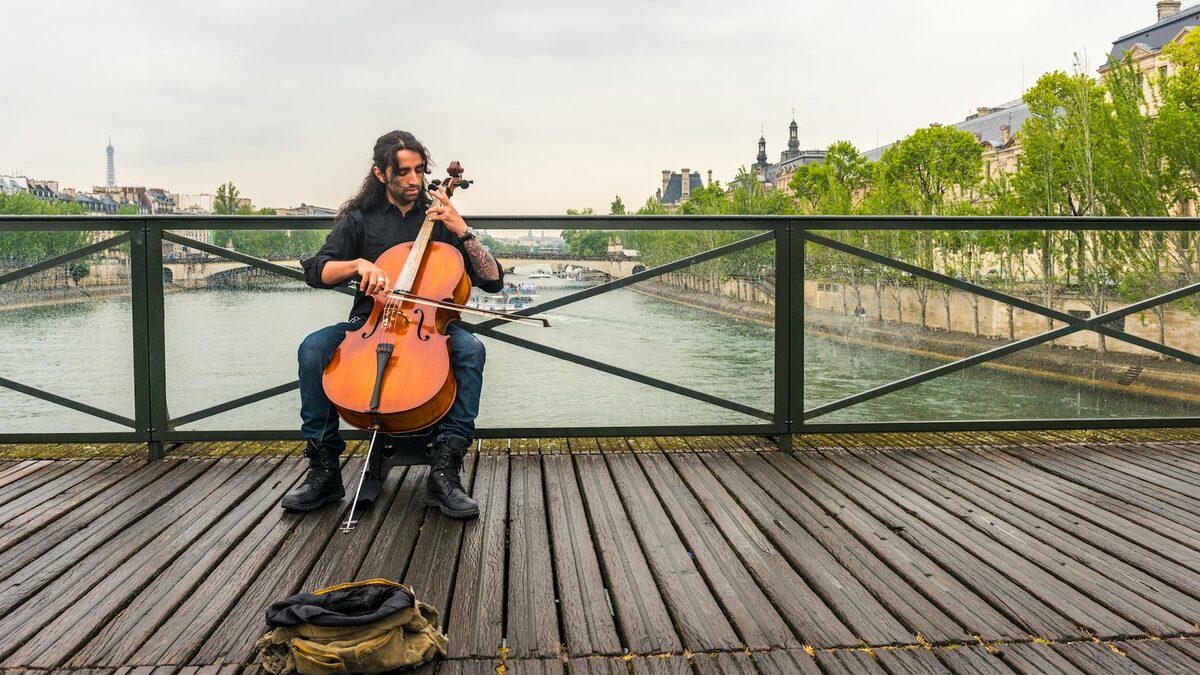
If you are in Paris in late June 2026, you may notice something unusual: music spilling out of courtyards, people gathering near cafés, musicians setting up on street corners, and a city that suddenly feels more like a shared living room than a performance test.
That is the spirit of Fête de la Musique, France’s national music celebration. For English-speaking expats, retirees, and visitors who are learning French, it can be one of the most enjoyable ways to step into French life without needing a perfect sentence ready in your pocket.
But it can also feel a little confusing. Is it a formal festival? Do you need tickets? Where do you go? What do you say if you want to ask where a concert is happening? And if your French is still hesitant, how do you join in without feeling like an outsider?
This guide is not a list of every concert in Paris. Those details can change and should be checked close to the date. Instead, it gives you something more useful: a cultural and language guide to the Paris music festival June 2026, so you can enjoy the evening with confidence.
The reassuring part is that you do not need to understand every programme note or catch every sentence to take part. A few local words, one polite question, and the willingness to listen are enough to make the evening feel less like a performance test and more like real life.
- What Fête de la Musique means in Paris
- Why June 21 matters in France
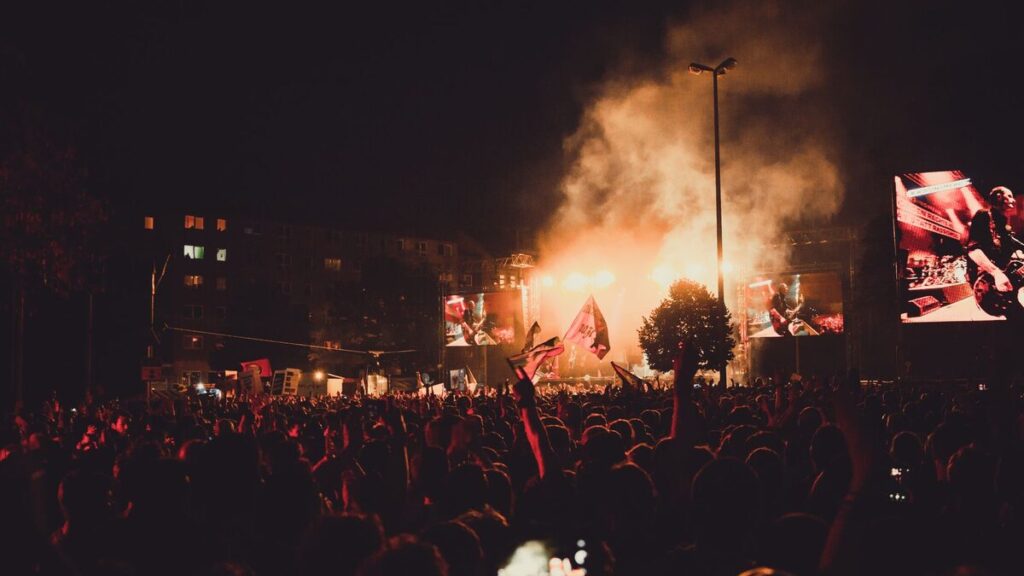
- What Paris feels like during Fête de la Musique
- How to choose where to go without over-planning
- French phrases to use at the Paris music festival June 2026
- The best language practice is not perfect speaking
- What to listen for in real spoken French
- A simple confidence plan for the evening
- Practical notes before you go
- What Fête de la Musique teaches you about French culture
- Final thought: let the music lower the pressure
- Common Questions About the Paris Music Festival in June 2026
- More Articles About Paris music festival June 2026
- Build the Life You’ve Dreamed of in France.
What Fête de la Musique means in Paris
The main Paris music festival in June 2026 is Fête de la Musique, also called Music Day or World Music Day in English. In France, it takes place every year on June 21, the day of the summer solstice.
In 2026, June 21 falls on a Sunday. Paris is expected to mark the evening with free concerts, street performances, DJ sets, musicians in public spaces, and special programmes in cultural venues, cafés, parks, squares, museums, and neighborhoods across the city.
The important thing to understand is this: Fête de la Musique is not a normal ticketed festival with one entrance gate and one official stage. It is more scattered, spontaneous, and democratic. Professional musicians, amateur bands, choirs, DJs, conservatoire students, cafés, local associations, and public institutions can all become part of the evening.
That is what makes it wonderful. It is also what makes it slightly chaotic.
If you are used to highly organized events, the French version may feel loose. You may hear about one concert from an official listing, another from a poster in a shop window, and another simply because you turn a corner and hear a trumpet.
For a French learner, this is gold. It gives you a real reason to ask questions, listen, compare accents, and participate in a cultural ritual that French people actually care about.
Build the Life You’ve Dreamed of in France.
Join Survive & Thrive in France – my signature programme combining practical French, cultural confidence, and a welcoming community to help you truly feel at home in France.
Why June 21 matters in France
Fête de la Musique was created in France in the early 1980s and is now celebrated in many countries. In France, however, it still has a very local feeling. The idea is simple: music belongs outside, to everyone, at the start of summer.
That word matters: la fête. It does not only mean “party.” It can mean celebration, festival, feast day, or public occasion. When French people say C’est la Fête de la Musique, they are not usually talking about one single event. They mean the whole atmosphere of the evening.
For someone building a life in France, this is an excellent cultural lesson. French public life often has this layered quality: official, local, informal, and social all at once. The best part of the evening may not be the concert you planned. It may be the moment when a neighbor says, On va écouter un groupe près de la place ? — “Shall we go listen to a band near the square?”
That is the kind of French you want to recognize.
What Paris feels like during Fête de la Musique
Paris in June already has a particular energy: long evenings, café terraces, tourists, locals finishing work, people walking instead of rushing underground. Fête de la Musique adds sound to that atmosphere.
You might find:
- a jazz trio outside a café
- an electro set near a bridge or square
- classical music in a courtyard
- a choir in a church or cultural space
- young musicians playing rock, rap, or pop
- families wandering between performances
- crowds gathering wherever the sound is good
Not every part of Paris will feel the same. Some areas may be lively and crowded; others may be calmer, with one small concert and people chatting quietly. This is why it helps to think less like a tourist trying to “do everything” and more like a local choosing one or two good corners of the city.
A useful French question is:
Notice the phrase dans le quartier. It is one of the most useful expressions in France. It means “in the neighborhood,” but it also signals that you are paying attention to local life, not just asking for the biggest tourist attraction.
How to choose where to go without over-planning
For the Paris music festival June 2026, check current programmes close to the date. Official tourism sites, city listings, venue pages, arrondissement pages, and local cultural calendars may publish details as June approaches.
But do not try to turn the evening into a military operation. Fête de la Musique rewards curiosity more than perfection.
A simple plan works best:
- Choose one general area of Paris you would enjoy walking in.
- Check whether there are several concerts or venues nearby.
- Wear comfortable shoes.
- Keep your evening flexible.
- Learn three or four French phrases before you go.
If you are new to Paris or prefer calmer evenings, start earlier. Late-night crowds can be fun, but they can also be tiring, especially if you are not used to dense city noise. There is no shame in enjoying one beautiful hour, then going home with your confidence intact.
That is a better language-learning strategy than forcing yourself to stay until you are overwhelmed.
French phrases to use at the Paris music festival June 2026
Here are phrases you can actually use during Fête de la Musique. You do not need to memorize all of them. Choose the ones that fit your level.
Il y a de la musique près d’ici ?
eel y ah duh lah moo-zeek pray dee-see
Is there music near here?
Ça commence à quelle heure ?
sah ko-mons ah kel ur
What time does it start?
Merci, bonne soirée !
mehr-see, bun swah-ray
Thank you, have a good evening!
Asking where the music is
The last phrase is especially useful because many events are free, but you are still asking politely rather than assuming.
Asking about time
In spoken French, people may answer quickly: À huit heures, vers neuf heures, je crois que ça a déjà commencé. Do not panic if you catch only part of the sentence. Listen for the time expression.
Asking for a recommendation
This last one matters if crowds make you nervous. It is practical French, but also self-respecting French. You are allowed to choose the version of the evening that suits you.
Reacting naturally
That final question is a lovely doorway into conversation. It lets the other person speak, and it gives you listening practice without putting all the pressure on you.
The best language practice is not perfect speaking
Many adult learners believe they need to speak beautifully before they can participate in French life. Fête de la Musique gently proves the opposite.
You can participate by listening. You can participate by asking one clear question. You can participate by smiling, thanking someone, reading a poster, checking a programme in French, or recognizing words you have learned before.
This is how confidence grows: through small successful contacts with real life.
If you are over 50, retired, or starting French later than you expected, this matters. Your brain does not need panic to learn. It needs repetition, emotion, and relevance. A summer evening in Paris gives you all three.
You hear a word. You ask a question. You connect that phrase with a place, a sound, a person, a feeling. That emotional memory is much stronger than a list in a notebook.
For example, the phrase Il y a de la musique près d’ici ? becomes easier to remember when you actually use it while hearing drums somewhere down the street.
What to listen for in real spoken French
During the Paris music festival June 2026, try listening for useful words rather than trying to understand every sentence.
Useful words and phrases include:
- un concert — a concert
- un groupe — a band
- un musicien / une musicienne — a musician
- une scène — a stage
- gratuit — free
- ce soir — tonight
- près d’ici — near here
- le quartier — the neighborhood
- la place — the square
- l’ambiance — the atmosphere
- il y a du monde — there are a lot of people
- c’est animé — it’s lively
Do not underestimate the word l’ambiance. French people use it often when describing a place, a restaurant, a party, a neighborhood, or a social situation. During Fête de la Musique, you may hear: Il y a une bonne ambiance — “There’s a good atmosphere.”
That is more than vocabulary. It is a cultural clue. French people often evaluate experiences not only by efficiency, but by mood, taste, rhythm, and social feeling.
A simple confidence plan for the evening
If you want to use Fête de la Musique as French practice, try this gentle plan.
Before you go, choose three phrases:
- Il y a de la musique près d’ici ?
- Ça commence à quelle heure ?
- Merci, bonne soirée !
Then set one realistic goal: ask one question in French.
Not ten. One.
This is a calmer way to practise: choose the smallest useful phrase for the moment, then let the evening give it context.
| Moment | French to try | Why it helps |
|---|---|---|
| You hear music but cannot see where it is coming from | Il y a de la musique près d’ici ? | It opens the conversation without asking for a full explanation. |
| You find a concert but are unsure about timing | Ça commence à quelle heure ? | You only need to listen for the time expression. |
| Someone helps you | Merci, bonne soirée ! | It ends the exchange warmly and naturally. |
If the person replies in English, do not take it as failure. This happens often in Paris, especially when people hear an accent and want to be helpful. You can smile and say:
This sentence is powerful because it tells people what you are doing without apologizing for yourself.
You are not pretending to be fluent. You are participating.
Practical notes before you go
A few simple choices can make the evening easier:
- Check current listings close to June 21, 2026.
- Confirm whether a concert is indoors, outdoors, seated, or standing.
- Wear shoes you can walk in.
- Bring water, especially if the weather is warm.
- Expect crowds in some areas.
- Keep an eye on métro and transport information.
- If you prefer quiet, choose an earlier concert or a smaller neighborhood setting.
- If you are going with friends, agree on a meeting point in case you get separated.
And remember: Paris can be magical and tiring at the same time. You do not have to prove anything by staying out late or pushing through discomfort.
The most French thing you can do is choose the evening that gives you pleasure.
What Fête de la Musique teaches you about French culture
Fête de la Musique is useful because it shows a side of France that language textbooks often miss.
It shows that culture is not only museums and monuments. It is public space. It is neighbors. It is a square that becomes a stage. It is the difference between watching France from the outside and stepping into the rhythm of the place.
For expats, this is essential. You do not integrate into France only by mastering grammar. You integrate by learning when to say hello, how to ask a small question, how to accept an invitation, how to enjoy a local event, how to notice what people notice.
French belongs in real places: at the market, in the bakery, at the pharmacy, on a train platform, and yes, on a noisy June evening when someone is tuning a guitar near a café.
Final thought: let the music lower the pressure
If you are searching for the Paris music festival June 2026, you may be planning a trip, a move, or simply a meaningful summer moment in France. Fête de la Musique is a beautiful opportunity because it does not ask you to be perfect.
You can listen. You can wander. You can ask where the concert is. You can learn one new word. You can notice how Paris changes when music fills the streets.
That is enough.
French confidence is not built in one dramatic leap. It is built in small moments when you realize: I understood that. I asked that. I belonged here for a little while.
On June 21, 2026, let the music help you practise that feeling.
Petit à petit, French starts to feel good.
Common Questions About the Paris Music Festival in June 2026
More Articles About Paris music festival June 2026
French Apéro Invitations: How to Say Yes Without Overthinking It
Paris music festival June 2026
Rock Music Festival France June: Hellfest
French Conversation Practice for Expats: Real-Life Situations in France
Why the French Eat Lamb at Easter (And Why It Often Comes from New Zealand)