Brussels is one of the easiest places in Europe to hear French in real life without paying for a formal course. The city is multilingual, local, international, and wonderfully messy: you can practise at an integration class, a language exchange, the Marolles flea market, a museum, a radio show, or a quick train trip to another Francophone city.
Use this guide as a practical free-learning plan. Pick two or three options, repeat them each week, and let Brussels become your French classroom.
- Start with free French courses in Brussels
- Join a language exchange and speak French for free
- Use free online French platforms alongside local practice
- Explore Brussels culture in French
- Practise French at the Marolles flea market
- Listen to Belgian French radio and podcasts
- Volunteer with Francophone communities
- Take a street-art or comic-book walking tour in French
- Turn daily life in Brussels into French immersion
- Plan a quick French immersion weekend from Brussels
- Build a weekly free French routine that you can repeat
- Learning French for Free in Brussels: Practical Questions Answered
- More Practical Guides for Learning French
- Build the Life You’ve Dreamed of in France.
Build the Life You’ve Dreamed of in France.
Join Survive & Thrive in France – my signature programme combining practical French, cultural confidence, and a welcoming community to help you truly feel at home in France.
Start with free French courses in Brussels
If you are new to Brussels, unemployed, or building basic literacy, structured classes can give you a foundation before you rely on informal practice. The best free routes are often linked to integration, employment, adult education, or local communes.
- BAPA Bxl: a useful starting point for newcomers looking for integration support and French classes.
- Actiris: worth checking if you are registered as a job seeker and need language training for work.
- Lire et Écrire: adult literacy and language support for people who need a slower, more guided route into French.
Availability changes, so always check the current conditions before you plan around a class. Even one structured weekly session becomes much stronger when you add everyday speaking practice around it.
Join a language exchange and speak French for free
Language exchange is one of the fastest free ways to improve because it forces you to use real sentences, not just complete exercises. Brussels has enough locals, EU workers, students, and expats to make conversation practice realistic if you show up regularly.
- Meetup and Facebook groups: search for French-English or multilingual conversation events in Brussels.
- Tandem and Speaky: use them to arrange online or local exchanges with native speakers.
- Couchsurfing-style hangouts and expat events: useful when you want casual conversation rather than a classroom atmosphere.
Prepare two small topics before you go: your neighbourhood, your work, what you did at the weekend, or one Brussels place you like. That tiny preparation makes the first conversation less intimidating.
Use free online French platforms alongside local practice
Online resources give you structure; Brussels gives you somewhere to test what you learned. That combination is much stronger than collecting apps you never use.
- FUN-MOOC: free course options from French institutions and universities.
- Brulingua: an important Brussels-specific resource for online language learning.
- TV5MONDE Apprendre: short listening and vocabulary activities with clear levels.
Do one online lesson, then use one sentence from it in a real conversation that week. That is how free online study becomes active French.
Explore Brussels culture in French
Brussels lets you learn French through museums, comics, cinema, architecture, and public life. Culture gives you vocabulary with context, which makes it easier to remember.
- Magritte Museum: check free-entry conditions and use the visit to collect art vocabulary.
- Maison de la Francité: a strong place to watch for French-language workshops and cultural events.
- CINEMATEK: useful for French films, classic cinema, and listening practice.
- Comics and Tintin: Brussels is perfect for learning through bandes dessinées, murals, and short readable dialogue.
Do not try to understand every label or scene. Choose five words from each cultural visit and reuse them later.
Practise French at the Marolles flea market
The Place du Jeu de Balle flea market in the Marolles is a real-life speaking exercise. You can practise prices, objects, greetings, hesitation, politeness, and bargaining without needing a long conversation.
- Combien ça coûte ? — “How much does it cost?”
- C’est un peu cher, vous pouvez baisser le prix ? — “It’s a bit expensive; can you lower the price?”
- Je prends les deux, vous pouvez faire un prix ? — “I’ll take both; can you make a deal?”
Keep it friendly and simple. Even a short exchange at a market trains listening speed, numbers, and confidence.
Listen to Belgian French radio and podcasts
Belgian French has its own voices, rhythm, and references. Listening locally helps you understand the French you are actually likely to hear in Brussels, not only textbook French from Paris.
- RTBF La Première: Belgian news, interviews, and public radio in French.
- BX1 / Brussels radio: useful for Brussels-specific topics and accents.
- Feel Good French Podcast: a warm option for intermediate and advanced learners who want more regular French contact.
Listen while commuting, cooking, or walking. Repetition matters more than understanding every word the first time.
Volunteer with Francophone communities
Volunteering gives you practical French: introductions, schedules, instructions, teamwork, small talk, and local vocabulary. It also makes French feel connected to people, not just study time.
- Serve the City Brussels: check whether current activities offer French-speaking opportunities.
- Réseau des Écoles de Devoirs: a useful source to explore if you want community and education-related volunteering.
- Oxfam Belgique and local charity shops: possible places to practise everyday service and teamwork vocabulary.
If a role is too demanding for your level, start by helping with simple tasks and listening. Comprehension grows quickly when the context repeats.
Take a street-art or comic-book walking tour in French
Brussels street art and comic-book murals are ideal for low-pressure French practice. A walking tour gives you visual clues, repeated vocabulary, and a reason to listen without sitting in a classroom.
- Comic Strip Route: follow murals and read short French descriptions as you walk.
- Free or donation-based walking tours: look for French-language options and ask simple questions at the end.
- Marolles and city-centre murals: combine art vocabulary with neighbourhood vocabulary.
Bring a notes app and save words for colours, streets, characters, and reactions. Then reuse them in a language exchange.
Turn daily life in Brussels into French immersion
Small habits work because they repeat. You do not need to transform your whole life; you need enough daily contact for French to stop feeling foreign.
- Change your phone or a few apps to French for repeated interface vocabulary.
- Write your shopping list in French before going to the market or supermarket.
- Read one Belgian French headline each morning and say a one-sentence summary aloud.
- Use French greetings and polite formulas whenever the context makes that comfortable.
Tiny exposure is not glamorous, but it compounds. Five minutes every day beats a giant study plan once a month.
Plan a quick French immersion weekend from Brussels
Brussels is perfectly placed for a cheap, short immersion trip. You can hear different accents, practise travel vocabulary, and return before the routine collapses.
- Lille: close by train, manageable for a first French-speaking weekend.
- Paris: intense but useful if you choose one neighbourhood and practise simple interactions.
- Wallonia: easy for day trips when you want Belgian French practice without going far.
Give the trip a language mission: buy tickets in French, ask for directions, order food, and write down ten words you actually heard.
Build a weekly free French routine that you can repeat
The danger with free resources is not scarcity; it is overload. Keep your routine boring enough to repeat and varied enough to cover the skills you actually need.
- One speaking touchpoint: a language exchange, volunteer shift, café order, or short conversation.
- One listening habit: RTBF, BX1, a podcast episode, or a short TV5MONDE video.
- One reading habit: a Tintin page, museum label, headline, library book, or learner article.
- One review habit: a few flashcards or a small notebook of phrases you actually want to use.
You do not need an expensive course to begin. You need regular contact, clear goals, and enough courage to use imperfect French in real Brussels situations.
Learning French for Free in Brussels: Practical Questions Answered
Free French resources work best when they stop being a search result and become part of your week.
More Practical Guides for Learning French
Learning French in the Age of AI

Is 50 Too Late to Learn French? The Honest Answer
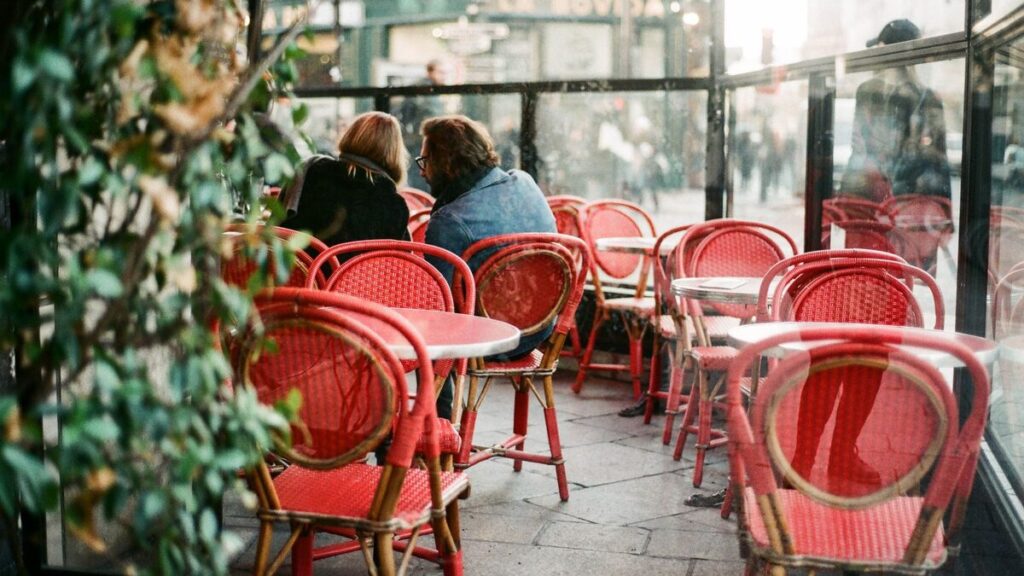
How long does it realistically take to learn French?
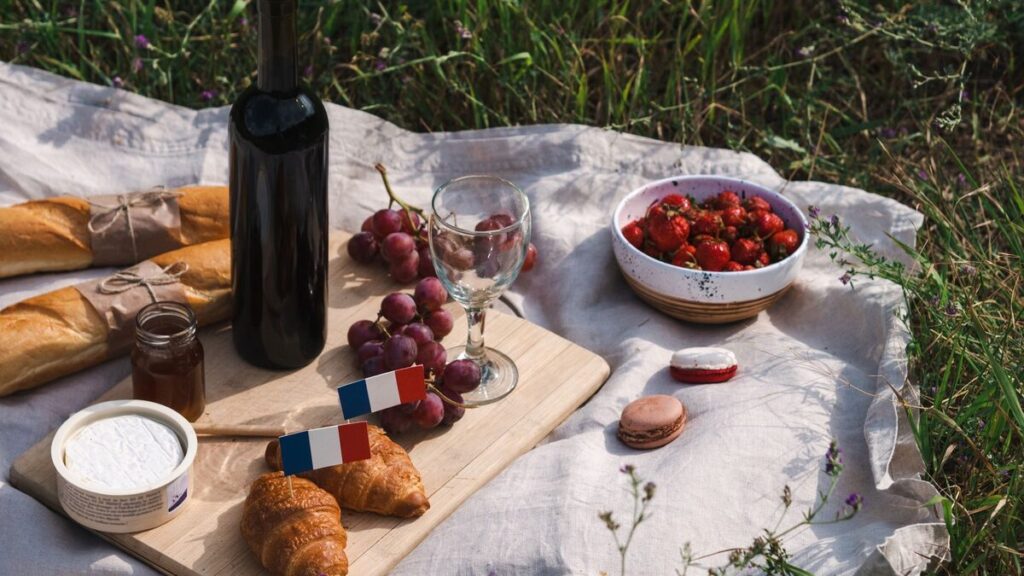
French Picnic Phrases for Beginners

What Is the 80 20 Rule for Learning French?
