
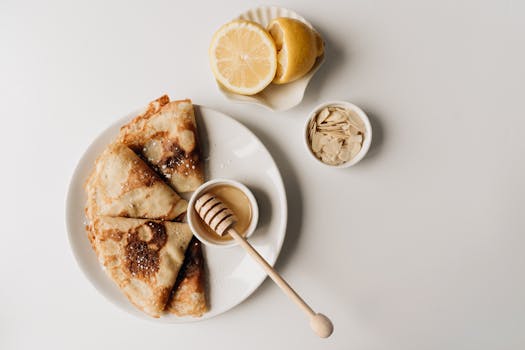
February 2nd in France sits in the Carnival season. Americans know Mardi Gras. This is its quieter cousin. It’s the Chandeleur or crepe day!
No parade. No beads.
Just crêpes. With sugar, honey or the good old Nutella… Miam miam!
Think of less noise and more butter. Plus de beurre pronounced ploos duh burr.
Historically, it marks the return of light. The days grow longer. Winter loosens its grip.
In the US, this season explodes into celebration. In France, it retreats into the kitchen. On that day, the menu is fixed. There is no discussion.
Les crêpes sont inévitables pronounced lay krep sohn ee nay vee tahbl.
- Chandeleur in France: from candles to kitchens
- Why February 2nd in France always ends with crêpes
- The ritual with the pan and the coin
- Learn French With an Experienced Language Coach
- Words you’ll hear in a French kitchen that day
- The real French crêpe recipe
- The secret ingredient French families never agree on
- What Chandeleur says about French culture
- French words you heard today
- Mot de la fin
Chandeleur in France: from candles to kitchens
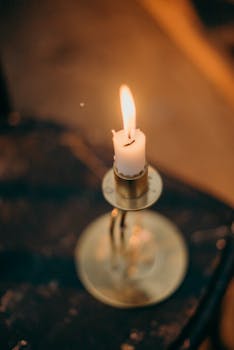
La Chandeleur comes from chandelle candle pronounced shan dell. Long before crêpes took over, candles were lit to mark the return of light after winter. The days stretched a little longer. The cold slowly loosened its grip.
Over time, religion faded and kitchens took over.
What remained was the crêpe, round and golden, spreading thin in la poêle pronounced lah pwell, or better yet in la crêpière pronounced lah krep yair, the flat pan made for one job only.
Why February 2nd in France always ends with crêpes
In France, crêpes on February 2nd are not a trend or a revival. They are a reflex.
I remember it from l’école primaire pronounced lay kohl pree mehr, back in elementary school. We made crêpes in class. Probably the first dish I ever cooked myself.
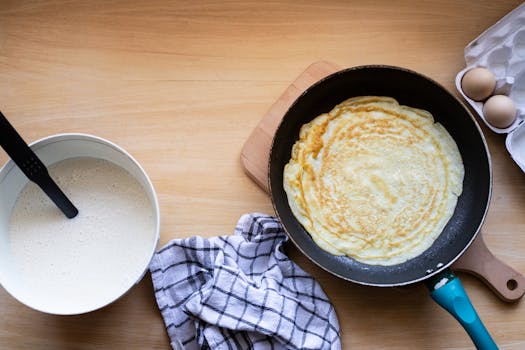
A big bowl on the table. Batter everywhere. One pan passed from hand to hand. Each of us took a turn, serious and proud, flipping a crêpe that rarely landed the right way.
That’s why crêpes don’t feel festive to me. They feel familiar.
Food you learn this young stays with you. It becomes comfort before you even know the word.
The ritual with the pan and the coin
There is a gesture many French people still perform, half serious, half amused.
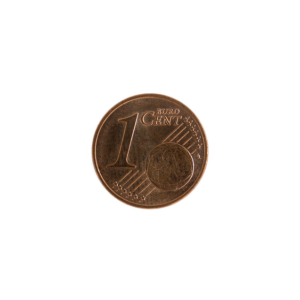
You hold the pan in one hand.
In the other, une pièce a coin pronounced ewn pyess.
You flip the crêpe. If it lands flat, the year will be lucky.
Nobody really checks if it works. Everyone does it anyway.
In France, superstition is practiced with a smile.
Words you’ll hear in a French kitchen that day
There are phrases that come back every year, said without thinking, almost like a soundtrack.
“À toi de jouer” pronounced ah twah duh zhoo ay.
Your turn. This is what you hear when the pan changes hands.
“Attention, ça colle” pronounced ah ton syon sah kohl.
Careful, it’s sticking. Usually said too late.
“Faut pas la rater” pronounced fo pah lah rah tay.
Don’t mess this one up. Encouragement, French-style.
“Retourne-la” pronounced ruh toorn lah.
Flip it. Short. Direct. No please.
“La pâte repose” pronounced lah pat ruh poz.
The batter rests. This is said like a rule, not advice.
“Celle-là est ratée” pronounced sell lah eh rah tay.
That one failed. No judgment. It happens.
“C’est pas grave” pronounced say pah grahv.
It’s fine. Probably the most French sentence in the room.
And then, inevitably:
“On la mange quand même” pronounced on lah mahnj kahn mem.
We eat it anyway. Because in France, even a failed crêpe deserves respect.
The real French crêpe recipe
Ingredients:

250 g flour
4 eggs
500 ml milk
1 pinch of salt
Butter
Method: Mix flour and salt. Add the eggs one by one. Pour the milk slowly while whisking. Finish with melted butter. Then stop. Let it rest. le repos pronounced ruh poh. Resting relaxes the batter and makes crêpes supple, not elastic. Heat the pan. Butter lightly. Pour the batter. Tilt the pan. Flip when the edges lift. Miss one. Laugh. Continue.
Find a classic crêpe recipe here.
The secret ingredient French families never agree on

Ask ten French families for their crêpe recipe and you’ll get ten versions. The base is the same. The secret changes.
Some add rum. le rhum pronounced rom.
Others vanilla. la vanille pronounced vah neel.
In the south, orange zest. le zeste d’orange pronounced zest dor onj.
In Brittany, the secret is usually simple. Butter. And more butter.
These small additions are regional. Emotional. Defended fiercely.
Sign Up for the Feel Good French Newsletter
What Chandeleur says about French culture
La Chandeleur does not announce itself.
It doesn’t need spectacle. It survives because it is practiced quietly, repeated every year, passed on through ordinary gestures and familiar smells.
In France, traditions last when they live dans la cuisine pronounced dahn lah kwee zeen.

French words you heard today
| French word or expression | Meaning | Pronunciation à l’oreille |
|---|---|---|
| La Chandeleur | Candlemas | shan duh lerr |
| Une crêpe | A crêpe | krep |
| La crêpière | Flat pan for crêpes | lah krep yair |
| La poêle | Pan | lah pwell |
| Faire sauter les crêpes | To flip crêpes | fair soh tay lay krep |
| La pâte repose | The batter rests | lah pat ruh poz |
| Celle-là est ratée | That one failed | sell lah eh rah tay |
| Une pièce | A coin | ewn pyess |
| Plus de beurre | More butter | ploo duh burr |
| Inévitable | Inevitable | ee nay vee tahbl |
| Dans la cuisine | In the kitchen | dahn lah kwee zeen |
Mot de la fin

February 2nd in France will not impress you.
It will warm la crêpière, melt butter, and remind you that some rituals stay alive because they are simple and grounded in people’s kitchen. Bon appétit!
Valentine’s Day in France: How to Say It, Wish It, and Understand It in Real French
France has long been called le pays de l’amour (the country of love, luh pay-ee…

Go to the Bank in France: The American Expat’s Guide to French Banking
Moving to France as an American means discovering new food, new culture, and—yes—new bureaucracy. One…

French Clothing Sizes in US: A Clear Guide for American Expats
Your first weeks in France are a string of small delights and quick puzzles. The…

How to Practice Speaking French in Nice (Beginner Friendly)
You finally made it. You moved to Nice, one of the most beautiful cities on…

Why “-ent” Is Silent in French Verbs (and Why That Matters)
If you’re an expat learning French, you’ve probably seen verbs ending in -ent and wondered…

Bonjour Bonsoir Meaning in French: Greeting Rules You Must Know
When you’re learning French, one of the first things you’ll come across is the importance…