
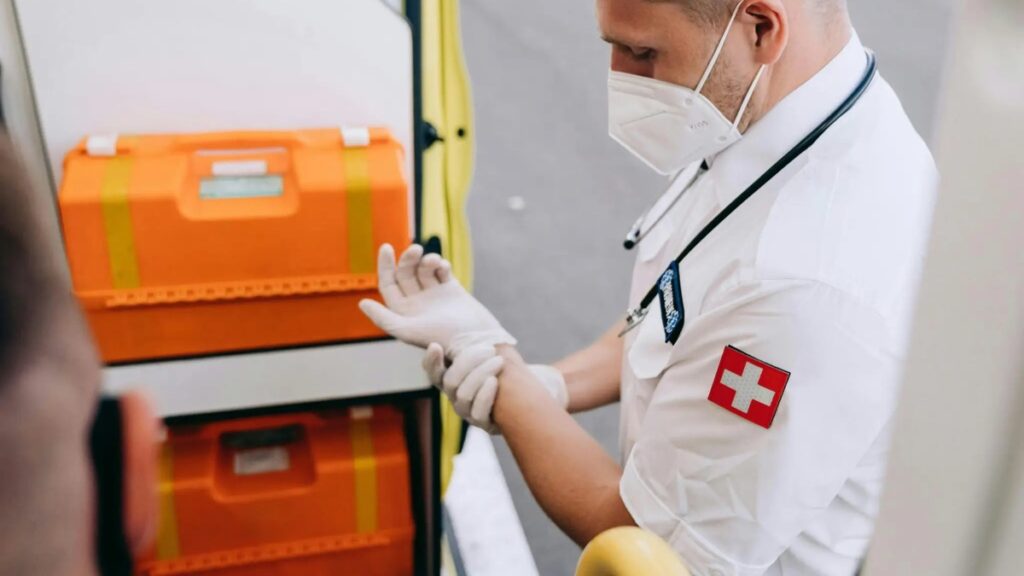
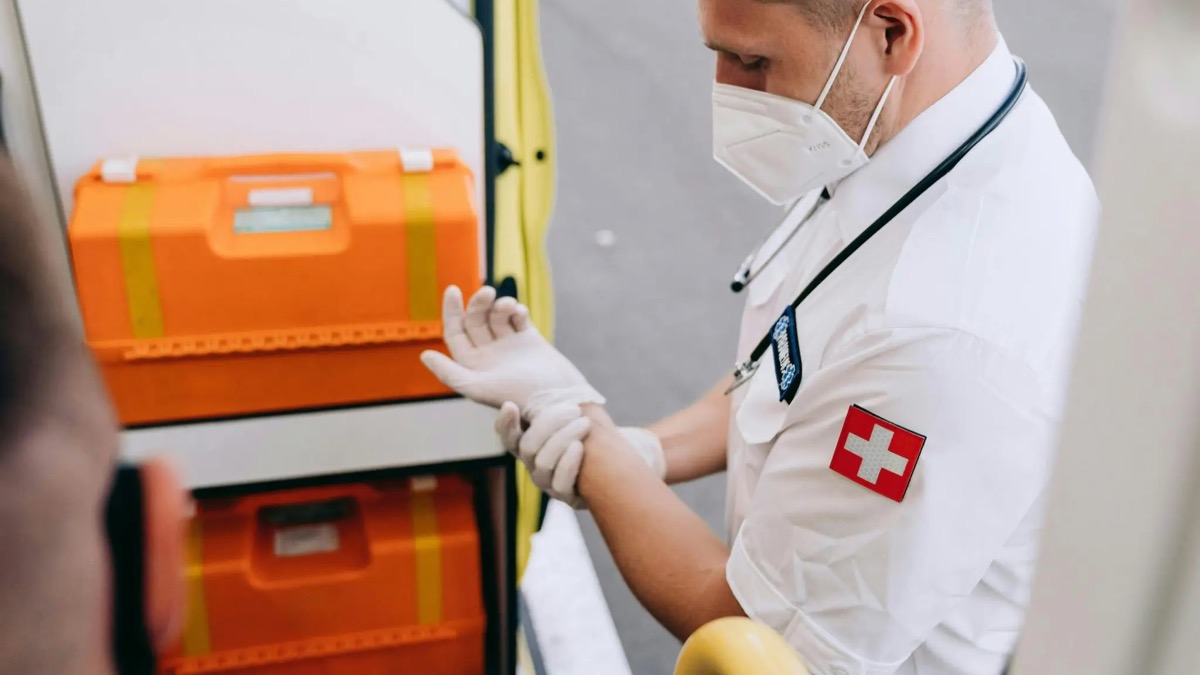
Switzerland can look like the dream destination for doctors: strong hospitals, high salaries, international cities and a healthcare system with serious standards. But the language question is not optional.
If you are a foreign doctor, the real answer is: you need the language of the canton where you work. In Geneva or Vaud, that means French. In Zürich, it may mean German. The safest plan is to match your language preparation to your target Swiss region.
- The short answer: it depends on the canton
- French-speaking Switzerland is a real medical market
- B2 may get you started, but C1 feels safer in medicine
- Recognition and paperwork still use national languages
- A certificate is useful, but it is not the whole job
- Work permits and specialty demand do not remove the language issue
- Build your language plan around the place you want to work
- French Requirements for Foreign Doctors in Switzerland: Practical Questions
- More Guides for Doctors and Professionals Abroad
- Build the Life You’ve Dreamed of in France.
Build the Life You’ve Dreamed of in France.
Join Survive & Thrive in France – my signature programme combining practical French, cultural confidence, and a welcoming community to help you truly feel at home in France.
The short answer: it depends on the canton
Switzerland is not one language market. A foreign doctor’s language requirement depends heavily on the canton, the hospital, the specialty and the amount of patient contact. French is not required everywhere, but it is absolutely central in French-speaking Switzerland.
- French is essential in Geneva, Vaud, Neuchâtel, Jura, and many roles in Fribourg or Valais.
- German dominates Zürich, Bern, Basel, St. Gallen and many larger job markets.
- Italian matters in Ticino, while Romansh is local and rarely the main route for foreign doctors.
French-speaking Switzerland is a real medical market
If your goal is Geneva, Lausanne, Neuchâtel or another part of Suisse romande, French is not a bonus skill. It is the language patients use to describe pain, fear, medication history and follow-up questions.
- You need French for consultations, ward rounds, referrals, discharge instructions and patient reassurance.
- You need it for teamwork with nurses, specialists, administrators and emergency services.
- You need it to build trust quickly when the patient is stressed, vulnerable or unsure.
B2 may get you started, but C1 feels safer in medicine
Many doctors hear “B2” and imagine a finish line. For medical work, B2 is better understood as the minimum floor. C1-level control is often what makes complex consultations feel safe and humane.
- B2 can support structured professional communication and many standard situations.
- C1 helps with nuance: uncertainty, consent, bad news, pain descriptions, side effects and risk.
- Medical French adds another layer of vocabulary, tone and fast listening under pressure.
Recognition and paperwork still use national languages
Foreign doctors usually need to deal with Swiss recognition processes, registrations, applications and employer checks. Even before patient care begins, the administrative pathway can require stamina in a Swiss national language.
- FOPH/MEBEKO recognition is part of the pathway for many foreign medical qualifications.
- Applications and official information are commonly handled in German, French or Italian.
- Language proof can matter for MedReg entries, cantonal authorities and employer hiring decisions.
A certificate is useful, but it is not the whole job
A language certificate can support your file, but hospitals do not hire certificates; they hire doctors who can communicate safely. The real test is whether your language works at speed with real patients and colleagues.
- Prepare for recognized CEFR-aligned exams when your pathway asks for proof.
- Practise clinical interviews, not only grammar exercises or vocabulary lists.
- Record yourself explaining dosage, risks and follow-up steps clearly in French.
Work permits and specialty demand do not remove the language issue
Switzerland may need doctors in several specialties, but demand does not erase language requirements. A strong CV can open a door; local-language competence keeps it open.
- EU/EFTA and non-EU routes can differ, so check the current immigration and recognition rules for your situation.
- Shortage specialties may still require direct patient-facing communication in the canton’s language.
- Private clinics, hospitals and training posts can each set practical language expectations.
Build your language plan around the place you want to work
The smartest approach is not “Should I learn French or German?” in the abstract. Start with your target canton, specialty and hospital type, then prepare the language that matches that reality.
- If you want Geneva or Lausanne, make French your professional language project early.
- If you want Zürich or Basel, German may be the main priority while French remains useful for mobility.
- If you are undecided, build one strong national language first and keep your options realistic.
For a doctor, French is not just a relocation skill. In the right Swiss canton, it is part of safe diagnosis, trust, consent and everyday teamwork.
French Requirements for Foreign Doctors in Switzerland: Practical Questions
Choose the canton first, then build the language that lets you practise medicine there safely and humanely.
More Guides for Doctors and Professionals Abroad

Moving to France: Scout on a Budget with HomeExchange

French Apéro Invitations: How to Say Yes Without Overthinking It

Americans moving to France: what changes first

DELF A2 French for Residency Appointments

Life in Nice Beyond the Expat Bubble: A Real French Conversation with Les Niçois