


Use this podcast episode as a practical positivity toolkit: listen to the phrase, repeat it aloud, then connect it to one small real-life moment where you would want to sound encouraging, grateful or optimistic in French.
How to Practise Positive French Phrases
The original Spotify episode, the YouTube redirect to the free-stuff page, all six YouTube timestamp links and all five hashtag links are preserved below. For learning, choose one positive phrase, repeat it aloud, and then make one tiny personal version you could actually say.
- Listen once for rhythm before looking at individual words.
- Replay one timestamp and repeat the phrase aloud three times.
- Keep whole useful chunks such as encouragement or gratitude phrases together.
- Choose five phrases for the week instead of trying to memorise all 50 at once.
Learn 50 Positive Phrases in French
Free 7-day Gratitude Journal PDF: https://feelgoodfrench.com/free-stuff/
Boost your mood and enrich your French vocabulary with this uplifting episode! 🌟
Découvre 50 expressions françaises faciles et pratiques pour exprimer la positivité et gagner en confiance dans tes conversations. Que tu sois débutant ou apprenant intermédiaire, cette vidéo est idéale pour élargir ton vocabulaire avec des phrases simples et optimistes. Humeur 100% positive.
Timestamps :
0:30 – Introduction : The Magic of Optimism
1:36 – Présentation du livre de développement personnel “3 Kifs par Jour”
2:00 – Bénéfices personnels des pratiques de gratitude
3:30 – How to Use Your Free Gratitude Journal
3:50 – Pourquoi tenir un journal peut booster ton apprentissage du français
4:00 – 50 Positive French Expressions: Practical Examples and Contexts
Télécharge ton journal de gratitude gratuit et suis-moi pour découvrir comment pratiquer la gratitude au quotidien peut transformer ton apprentissage du français et illuminer ta vie.
Abonne-toi à FeelGoodFrench pour plus de contenu feel-good en français et en anglais !
Déborah
#feelgood #frenchvocabulary #frenchphrases #learnfrench #optimism
Build the Life You’ve Dreamed of in France.
Join Survive & Thrive in France – my signature programme combining practical French, cultural confidence, and a welcoming community to help you truly feel at home in France.
Positive French Phrases: Practical Questions
Pick one positive phrase, say it aloud today, and let your French sound a little warmer each time.
More French Podcast Lessons
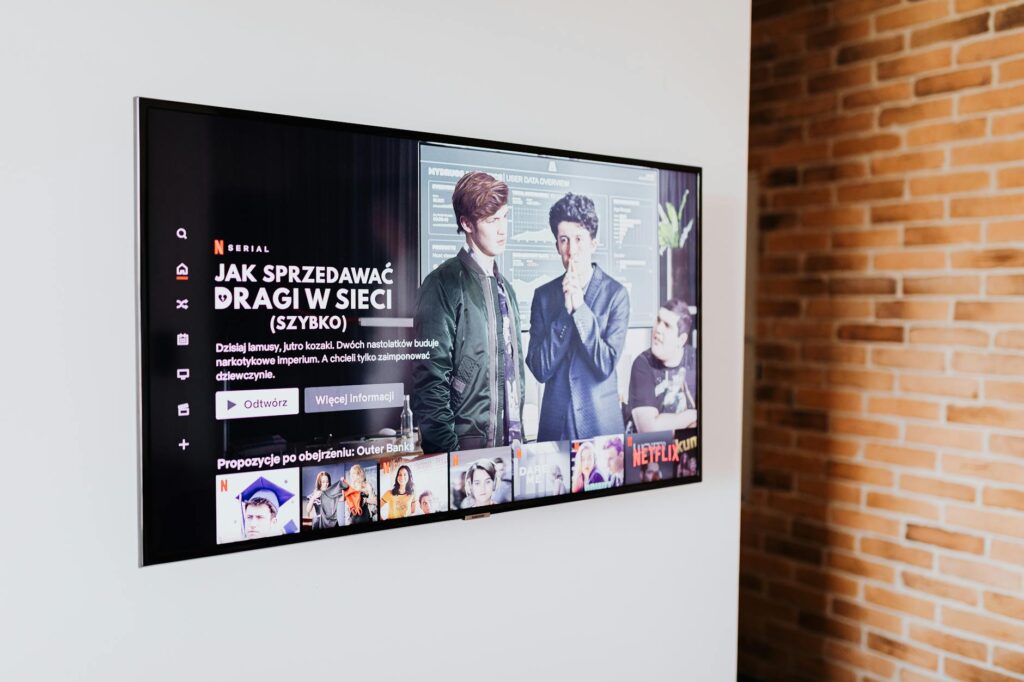
Can You Really Learn French by Watching TV Shows? (A Method That Actually Works)

Moving to France on Screen: 13 Films That Will Make You Pack Your Bags

6 Easy French Books for Beginners (with Free PDF)

Moving To France? Books & Movies to Help You Choose the Best Region

Best French Language Movies on Netflix to Learn, Laugh, and Cry in French